2026 Top Outdoor Playset Trends for Children and Families?
The outdoor playset market is evolving rapidly. Recent reports indicate a growing interest in enhancing children’s physical activity through outdoor play. In fact, a study from the American Academy of Pediatrics highlights that outdoor play can reduce obesity rates in children. Families are now looking for innovative and engaging outdoor playsets that promote creativity and active play.
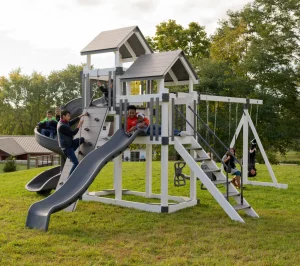
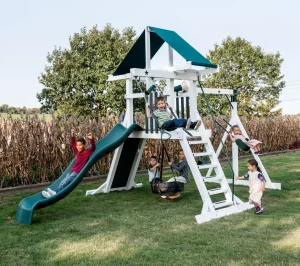
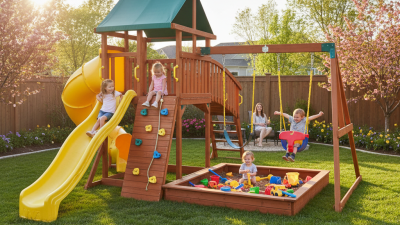
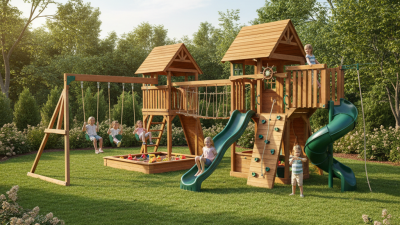
The trends for 2026 show an increasing demand for multifunctional outdoor playsets. Features such as climbing walls, slides, and swings are becoming more popular. These elements not only encourage physical fitness but also foster social interactions among children. However, the challenge lies in selecting a playset that fits both budget and space constraints.
Trends also lean towards environmentally friendly materials. Parents are more conscious of sustainability. This shift reflects a desire for quality and longevity in outdoor playsets. With so many options available, finding the right one can feel overwhelming. Balancing safety, fun, and durability remains a key concern for families today.
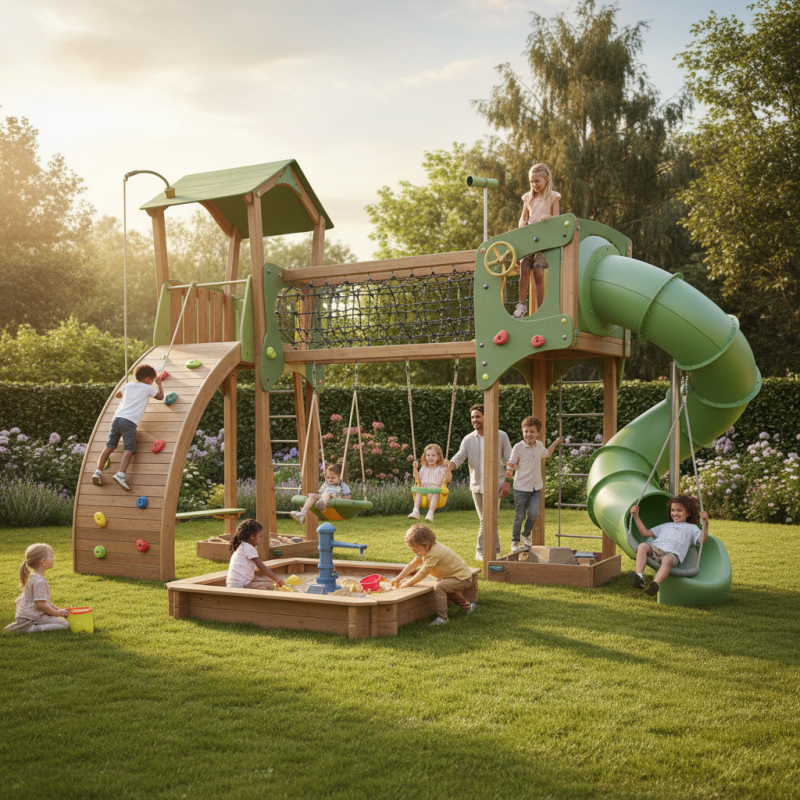
Emerging Materials and Safety Standards in Outdoor Playsets for 2026
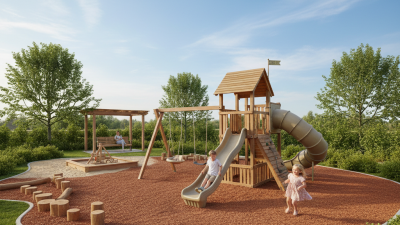
As outdoor playsets evolve, new materials are crucial for safety and sustainability. In 2026, manufacturers are focusing on using eco-friendly materials like recycled plastics and sustainably sourced wood. These materials not only protect the environment but also ensure durability, essential for playsets exposed to the elements. Parents can feel confident knowing that their children are playing on structures that prioritize safety and care for the planet.
Safety standards are also changing. Organizations are developing stricter guidelines to prevent accidents. For instance, more emphasis is placed on soft edges and non-toxic finishes. The goal is to minimize injuries while kids explore and play.
However, some designs still lack adequate safety measures, raising questions. Are we doing enough to protect our children? Continuous assessment and improvement are necessary in this rapidly evolving industry.
Moreover, accessibility is gaining importance. Playsets need to cater to children of all abilities. Some designs feature inclusive swings and ramps. It’s a step in the right direction. Yet, some playsets still overlook these needs.
How can we make play more inclusive? The challenge lies in balancing creativity with safety. The focus should always remain on creating joyful, safe spaces for all children.
Innovative Design Features that Enhance Play and Learning Experiences
Outdoor playsets are evolving, emphasizing innovative designs that enhance children's play and learning. Bright colors and unique shapes capture attention and spark imagination. Many recent trends focus on incorporating natural elements, blending playtime with the beauty of nature. Playsets equipped with climbing walls encourage physical activity, while slides and swings stimulate sensory experiences.
Interactive features are now common. For example, chalkboards and musical instruments integrated into playsets encourage creativity and teamwork. Children learn to communicate and share ideas as they play together. However, some designs can be overwhelming. Too many options might confuse rather than inspire. Finding a balance between simplicity and innovation is crucial.
Safety remains a concern. Soft, durable materials are essential, but they do not eliminate all risks. Parents often worry about falls and injuries. Ensuring that play areas are well-maintained is vital. It's a constant challenge to keep play fun and safe. As families enjoy these advancements, maintaining awareness of children's needs and safety is key to a successful outdoor play experience.
Top Eco-Friendly Outdoor Playset Trends for Sustainable Family Fun
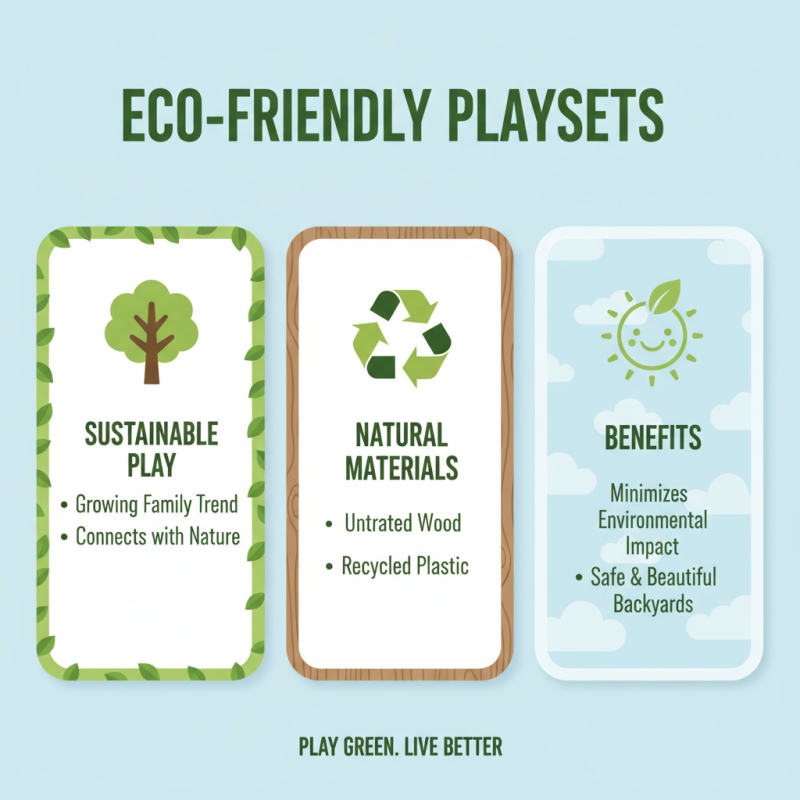
As more families seek sustainable play solutions, eco-friendly outdoor playsets are gaining traction. These structures often use natural materials, like untreated wood or recycled plastic, minimizing environmental impact. Parents appreciate options that blend safely with nature, adding beauty to the backyard.
Creative designs are emerging, focusing on durability and sustainability. Some playsets incorporate features like organic gardens or climbing elements made from local materials. Kids can engage in active play while learning about the environment. This hands-on experience fosters a sense of responsibility towards nature.
However, not every eco-friendly choice is perfect. Some families may struggle to find designs that appeal to their children's tastes. It can be challenging to balance aesthetics with sustainability. Careful consideration is needed to ensure these playsets meet durability and safety standards while also being visually appealing.
Multi-Functional Playsets: Combining Outdoor Play with Other Activities
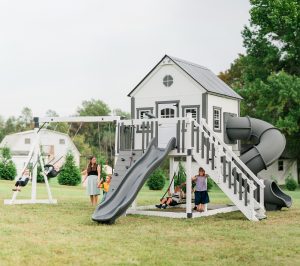
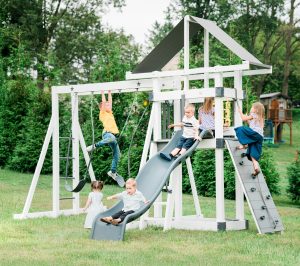
The trend of multi-functional playsets is rising rapidly. Families seek more than just a place for children to climb and swing. Today’s outdoor playsets are designed to combine various activities. They often include features such as slides, climbing walls, and even spaces for creative play. This integration allows kids to engage in physical activity while also exploring their imagination.
However, creating the perfect multi-functional playset is not always straightforward. Parents sometimes struggle with space limitations in their yards. Not every family has the luxury of a large garden. Additionally, balancing durability with diverse functionality often leads to compromises. A playset may be fun but not as sturdy as desired. Some features can be too complex for young children to use safely.
Moreover, navigating the maintenance of these playsets can be tricky. Keeping everything clean and functional is a continuous task. Parents might find themselves overwhelmed by the upkeep needs. It’s a balancing act between ensuring safety and providing endless fun. Ultimately, while multi-functional playsets promise varied play experiences, they also require thoughtful consideration.
The Role of Technology in Modern Outdoor Playset Experiences
The integration of technology into outdoor playsets is transforming how children engage with their environment. Increasingly, these playsets feature interactive elements, like augmented reality games and digital learning tools. A recent survey found 72% of parents believe tech-enhanced play encourages creativity and problem-solving in children.
Yet, there are concerns regarding over-dependence on technology. Children might miss out on traditional play experiences, like climbing or swinging. A report indicated that 45% of parents worry their kids spend too much time on screens, even during outdoor play. Balancing tech and physical activity is crucial. Playsets that incorporate sensory experiences, alongside tech features, could provide a more rounded experience.
Moreover, technology can facilitate social interaction. Features that connect children digitally can also promote teamwork and communication. Yet, it’s vital to reflect on the potential pitfalls. Excessive screen use can lead to isolation, even in outdoor settings. Finding that middle ground is essential for fostering healthy, engaging environments for our children.