How to Choose the Best Hotel Outdoor Seating Options?
Choosing the right Hotel Outdoor Seating is crucial for enhancing guest experience. It sets the tone for relaxation and enjoyment. Outdoor spaces are often the highlight of a hotel stay. The right seating can create an inviting atmosphere.
When considering hotel outdoor seating options, several factors come into play. Think about the climate and environment. Comfort is key, but aesthetics also matter. The material and design can reflect the hotel's brand and appeal to guests. While some options may seem perfect, they might not withstand weather conditions well. Balance between style and durability is vital.
The placement of seating is another important factor. It should encourage social interaction while providing privacy. Offering a variety of seating choices, like lounge chairs or communal tables, can cater to different guest preferences. Ultimately, effective hotel outdoor seating should blend functionality and visual appeal, creating memorable experiences for all.
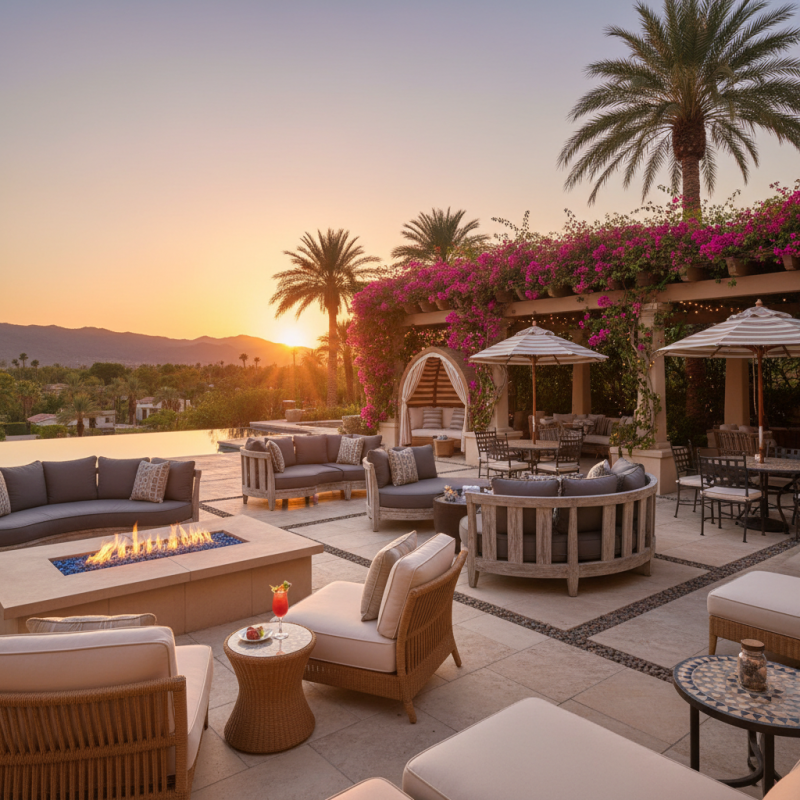
Understanding the Importance of Outdoor Seating in Hotels
Outdoor seating has become essential in enhancing guests' experiences at hotels. According to a recent industry report by the American Hotel and Lodging Association, about 70% of travelers prefer hotels with outdoor areas for relaxation. This preference highlights the demand for thoughtful outdoor spaces. It can influence a guest's decision significantly, especially in picturesque locations.
Creating an inviting outdoor seating area is more than just placing furniture. It requires an understanding of guest needs and local climate. For instance, warm climates call for shaded areas, while cooler regions may benefit from fire pits. The choice of materials also matters. Durable, weather-resistant furniture ensures longevity, yet can lack the warmth of natural materials. Striking a balance between durability and aesthetics can be challenging.
Moreover, integrating greenery can enhance the atmosphere. Studies indicate that greenery can improve mood and well-being, making it a sound investment for hotels. However, some hotels overlook maintenance, leading to uninviting spaces. Regular upkeep is essential to keep these areas appealing. Guests remember experiences, and a well-maintained outdoor space can leave a lasting impression.
Evaluating Different Styles of Outdoor Furniture for Guests
When choosing outdoor furniture for hotel settings, various styles cater to different guest preferences. Lounge chairs, dining sets, and casual seating areas each create distinct atmospheres. A survey by the International Furniture and Design Institute found that 78% of guests prefer hotels with well-designed outdoor spaces. This highlights the importance of selecting the right furniture style.
Consider the material of the furniture. Aluminum and synthetic wicker are weather-resistant, yet wood adds warmth. Each material has pros and cons. For instance, while wood may require more maintenance, its classic aesthetic appeals to many guests. A balance must be struck between aesthetics and practicality.
**Tips:** Opt for versatile pieces that can be rearranged easily. Evaluate how the space is used; ensure furniture facilitates social interaction. Providing shade is essential, as 64% of guests reported reluctance to use outdoor seating without protection from the sun. Thoughtfully selected outdoor furniture enhances the guest experience and contributes to a hotel’s overall appeal.
How to Choose the Best Hotel Outdoor Seating Options? - Evaluating Different Styles of Outdoor Furniture for Guests
| Furniture Style | Material | Comfort Level | Weather Resistance | Maintenance Level |
| Lounge Chairs | Aluminum | High | Good | Low |
| Dining Sets | Teak Wood | Medium | Excellent | Medium |
| Sectional Sofas | Synthetic Wicker | High | Good | High |
| Bar Stools | Metal | Medium | Good | Low |
| Umbrella Tables | Steel Frame with Canopy | Medium | Good | Medium |
Considering Durability and Weather Resistance in Seating Options
When selecting outdoor seating for hotels, durability and weather resistance are crucial. Materials must withstand various conditions. According to the American Institute of Architects, furniture exposed to daily elements should be resistant to moisture, UV rays, and temperature fluctuations. Many outdoor furniture options include aluminum, high-density polyethylene, and teak wood, each offering different benefits.
Aluminum is lightweight and rust-resistant, making it a popular choice. However, it can get hot in direct sunlight, potentially deterring guests. High-density polyethylene, or HDPE, might be more versatile. It has strong resistance to fading and cracking, yet its sustainability depends on proper disposal.
While it’s essential to choose the right materials, aesthetics also matter. A study from the University of Southern California reveals that 73% of guests prefer visually appealing outdoor areas. Aesthetic choices should complement durability. Sometimes, balancing these elements can lead to compromises. Reflecting on these factors can improve guest experiences while enhancing the hotel's reputation.
Assessing Space and Layout for Optimal Outdoor Seating Arrangement
When planning outdoor seating for hotels, assessing the space and layout is crucial. Reports indicate that nearly 40% of guests prefer dining outdoors, citing a connection to nature as a primary reason. To maximize this potential, effective space planning can make a significant difference.
Understanding the dimensions of your patio or terrace is essential. Aim for at least 2 feet between tables to ensure comfort and ease of movement. Consider incorporating flexible layouts that can adapt based on guest flow. Spaces that transition well between dining, lounging, and socializing areas tend to attract more visitors. Data shows that outdoor seating areas with varied layouts can increase seat turnover by up to 25%.
However, not all designs work well in every setting. Natural obstacles, like tree roots or uneven ground, can limit seating options. It’s vital to analyze these aspects to avoid overcrowded or poorly designed spaces. Experienced planners suggest using modular furniture for adaptability. This allows staff to rearrange as needed, catering to different guest needs. Proper evaluation of the layout can lead to a more inviting atmosphere, enhancing the overall experience.
Incorporating Aesthetics and Theme in Outdoor Seating Design
Creating an inviting outdoor seating area requires attention to both aesthetics and theme. The design should reflect the overall ambiance of your hotel. Use colors that resonate with your brand. Choose materials that can withstand weather changes while maintaining style. Rattan, metal, and wood are popular options.
Tips: Consider the local environment. If the area is rustic, opt for natural wood. Urban settings might call for sleek metal designs. Make sure the seating arrangement encourages conversation. Group chairs and tables closely but allow space for movement.
Incorporating greenery can enhance the outdoor experience. Use potted plants or vertical gardens to integrate nature. Lighting also plays a vital role. String lights or lanterns can create a cozy atmosphere. Test out your choices; sometimes, an element doesn’t fit as well as imagined.
Tips: Balance furniture sizes to avoid overcrowding. Large couches may dominate a small patio, while tiny chairs could get lost in a spacious area. Always seek feedback from guests. Their insights can guide adjustments to improve comfort and aesthetic appeal.