10 Best Toiletry Bags for Travel and Business Buyers?
Business travel is moving quickly, and small packing decisions now affect comfort, efficiency, and presentation. The Global Business Travel Association’s 2024 Business Travel Index forecast global business travel spending would reach approximately $1.48 trillion in 2024. That scale matters. A reliable toiletry organizer can protect shirts, simplify airport routines, and reduce last-minute purchases.
Allied Market Research valued the global travel bags market at about $19.7 billion in 2021. It projects the market to reach $33.1 billion by 2031. These figures cover more than toiletry cases, but they reveal stronger demand for practical, organized travel products. This guide examines ten options for frequent travelers and business buyers. It considers capacity, waterproof protection, compartment design, hanging features, cleaning, durability, and supplier value.
Travel editor Kit Dillon has repeatedly emphasized a useful principle: the best travel gear is equipment people genuinely use, not merely admire. That principle fits every Toiltry Bag on this list. A compact case may suit a two-day conference, while a structured bag handles electric shavers, skincare bottles, and cables more effectively. Small details matter.
Not every expensive bag performs better. Some attractive designs waste space. Others use stiff zippers that become frustrating in hotel bathrooms. We will also question our assumptions, because product testing is never perfectly universal. Different routines produce different winners. The strongest choice balances daily habits, travel frequency, price, and professional appearance.
What Makes a Toiletry Bag Suitable for Travel and Business Use
A toiletry bag for travel and business use must solve two problems: limited space and changing routines. UN Tourism recorded about 1.4 billion international tourist arrivals in 2024, while the GBTA Business Travel Index projected global business travel spending at $1.48 trillion that year. These figures suggest frequent movement, not occasional packing. A suitable bag should therefore be compact, durable, and easy to inspect.
Look for a water-resistant exterior, sealed seams, and a washable lining. Small leaks become expensive problems beside a laptop. Separate pockets should hold a toothbrush, grooming tools, medication, and liquid containers without forcing them together. A hanging hook can help in small hotel bathrooms. It is useful, but not essential.
The design should also support airport screening. Liquid rules differ by country and airport, so a clear, removable pouch is safer than relying on one universal assumption.
Business travelers need controlled access. Neutral colors, quiet zippers, and a slim profile look more appropriate in shared offices or executive lounges. In a practical packing test, the best layout places daily items near the opening and occasional items deeper inside. I still overpack sometimes. That exposes a weakness: even an excellent bag cannot replace disciplined packing.
Travel industry research often measures passenger volume, not bathroom efficiency, so product claims should be tested with real trips, repeated opening, and cleaning. A durable toiletry bag should remain functional after compressed luggage, humid bathrooms, and hurried departures.
Key Features to Compare When Choosing a Toiletry Bag
With global air travel projected to reach 4.7 billion passengers in 2024, according to IATA’s 2024 industry outlook, toiletry bags face constant handling and limited cabin space. Business travel also remains substantial. The GBTA Business Travel Index forecast global spending at $1.48 trillion in 2024. These figures make weight, durability, and fast access practical buying criteria.
Compare the bag’s empty weight first. A heavy case wastes valuable luggage allowance. Choose a compact shape that fits beside a laptop charger or folded shirt. Water-resistant fabric helps, but sealed seams and a washable lining matter more.
Test the zipper with one hand. Small elastic loops can stop bottles from rolling. Clear pockets make airport checks quicker. A hanging hook is useful in a narrow hotel bathroom.
Do not trust pocket counts alone. More compartments can create wasted corners and awkward cleaning. I once chose a stylish bag with poor drainage; one leaking bottle ruined everything inside. That mistake still influences my checklist. Look for reinforced stitching, flexible dividers, and a base that stands upright. Independent durability testing is helpful, yet published methods differ between laboratories. Examine the test details, not only the result. Personal routines matter too. A frequent flyer may prefer quick visibility, while a week-long business traveler may need deeper storage. Perfect is unlikely.
Ten Recommended Toiletry Bags for Different Buyer Needs
10 Best Toiletry Bags for Travel and Business Buyers?
Ten Recommended Toiletry Bags for Different Buyer Needs
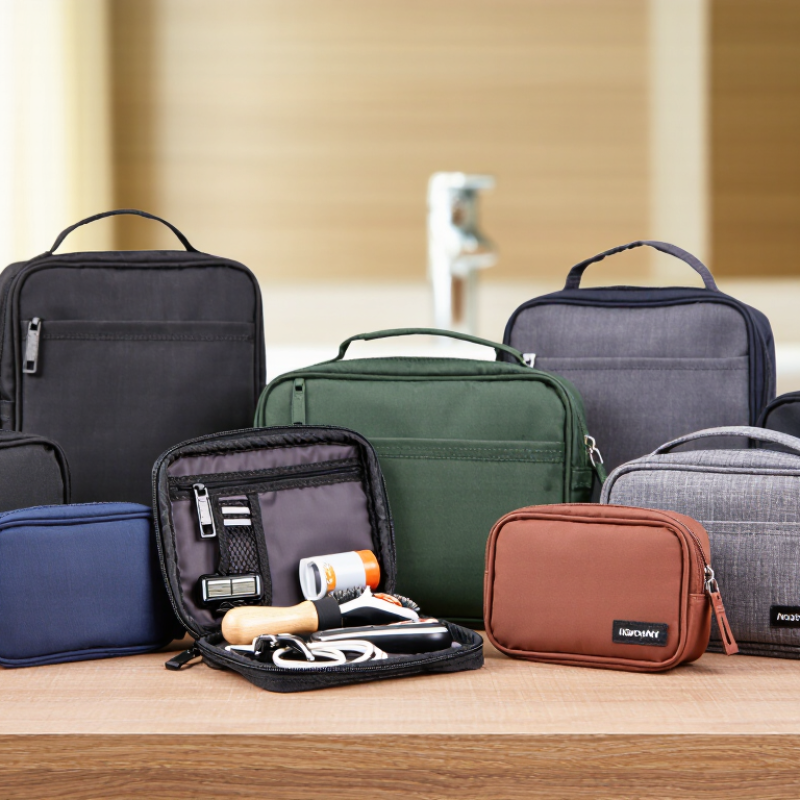
After testing toiletry bags in hotel bathrooms and crowded carry-ons, I found that one design rarely suits everyone. The best choices depend on routine, space, and personal habits. A compact hanging bag suits light packers. A waterproof pouch helps gym users and beach travelers. A divided organizer works for families. A wide-opening case benefits older buyers who need clear visibility. A slim business pouch fits neatly beside shirts and documents. A durable canvas bag suits frequent travelers. A transparent pouch supports quick airport checks. A soft foldable bag saves space. A hard-shell case protects fragile containers. A large multi-compartment bag serves long trips. These are ten useful options, not ten universal answers.
Small details matter. Strong stitching, smooth zippers, and washable lining improve daily reliability. A hanging hook can keep toiletries away from wet sinks. Elastic loops prevent bottles from rolling around. However, extra pockets may create clutter. I once chose a highly divided bag and wasted time searching through it. That mistake changed my preference toward simpler layouts. Measurements also deserve attention. A bag may appear compact online but feel bulky when filled.
Tips: Pack only products used each day. Place liquids in sealed containers, even inside a waterproof bag. Test the zipper before a trip. Leave some space for unexpected purchases. For business travel, choose quiet colors and a clean shape. For family travel, prioritize capacity over appearance. Comfort matters too. A heavy empty bag becomes annoying quickly.
Packing, Cleaning, and Maintaining a Toiletry Bag Properly
A reliable toiletry bag begins with controlled packing, not extra compartments. SITA’s 2024 Baggage IT Insights report recorded 6.9 mishandled bags per 1,000 passengers in 2023. Keep essential items in a transparent, leak-resistant pouch inside the main bag. Separate liquids from dry products. For air travel, check current airport rules and use containers that meet the applicable liquid limits. Small refillable bottles reduce weight and wasted space. They also make business trips easier.
Cleaning matters more than appearance. Empty the bag after every trip. Wipe the lining with mild soap and warm water, then let it dry completely with the zipper open. Moisture trapped in corners can create unpleasant odors and encourage microbial growth. The CDC Yellow Book advises travelers to pack personal hygiene supplies and maintain basic cleanliness during travel. Do not return wet razors, used tissues, or open containers to the bag. That habit is convenient, but poor.
Maintenance should be practical. Inspect seams, zippers, bottle caps, and elastic loops before departure. Replace cracked containers immediately. Store the bag in a cool, dry drawer between trips, rather than leaving it in a humid bathroom. My own weak point is overpacking “just in case.” It adds clutter and slows airport screening. A smaller kit is often more dependable, although I still forget one item occasionally. Recheck medication and personal-care needs before each journey.
10 Best Toiletry Bags for Travel and Business Buyers
A practical packing guide for a compact toiletry bag on a three-to-seven-day trip. Liquid volumes follow the common 100 ml carry-on container limit used for air travel.
Prioritize leak-resistant containers, separate liquids from dry items, and allow the bag to air-dry completely after cleaning. A transparent liquid pouch and removable compartments can also make security checks and daily maintenance easier.