How to Choose the Perfect Play Set for Your Backyard?
Choosing the perfect play set for your backyard is essential for creating a safe and fun environment for children. According to a report by the American Society for Testing and Materials (ASTM), outdoor play equipment accounts for nearly 40% of childhood injuries. Thus, selecting a well-suited play set is vital not just for enjoyment, but also for safety.
When considering a play set, parents should evaluate various factors. The size of your space, the age of your children, and the materials used in the play set are crucial. For instance, wood and metal are common materials, but each has its pros and cons. A report from the International Playground Safety Institute shows that improperly maintained play sets can lead to significant hazards. Regular inspections and maintenance are often overlooked.
Moreover, trends indicate that structured play is becoming increasingly popular. Play sets equipped with slides, swings, and climbing areas promote physical development. However, the decision isn’t solely about features. Families must reflect on their values and how they want their children to engage in play. Balancing safety, fun, and aesthetic appeal adds complexity to the choice. Selecting the right play set is an investment in your child’s growth and happiness.
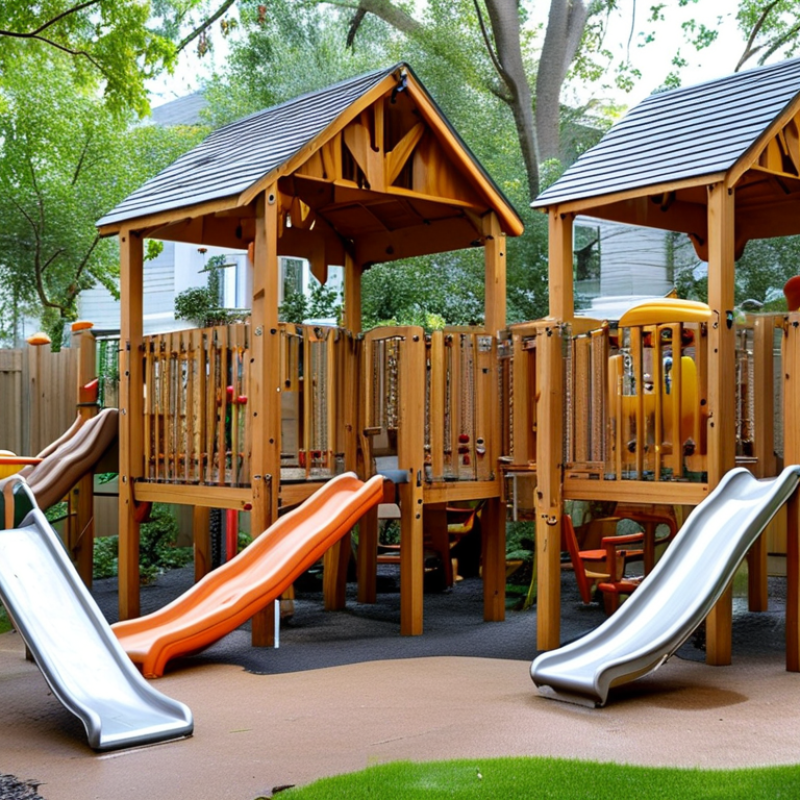
Understanding the Different Types of Play Sets Available
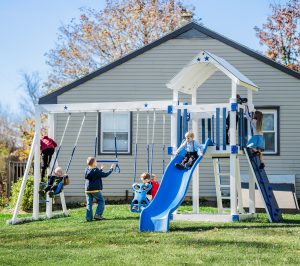
When selecting a play set for your backyard, understanding the different types is crucial. Research shows that about 70% of parents prioritize safety features and durability when making their choice. The most common types include swing sets, climbing frames, and multi-activity structures. Each type offers unique play experiences, catering to different age groups and interests.
Swing sets are among the most popular. They provide simple enjoyment and promote core strength in young children. According to a 2022 industry report, 60% of families choose swing sets for their versatility and ease of setup.
Climbing frames, on the other hand, foster physical skills and confidence. Many parents overlook the potential hazards, yet it's essential to consider the quality of materials used. A lack of attention here can lead to safety issues.
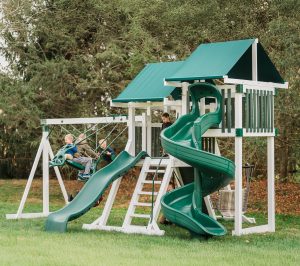
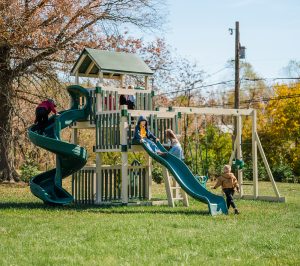
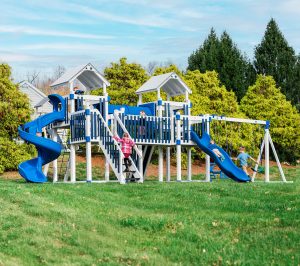
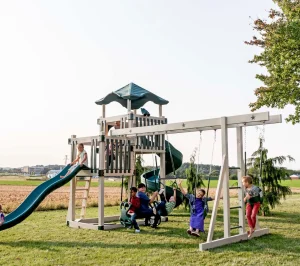
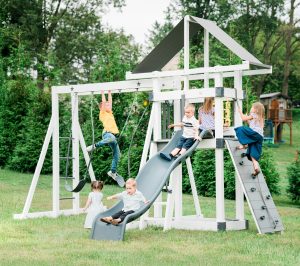
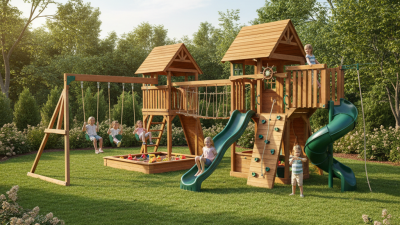
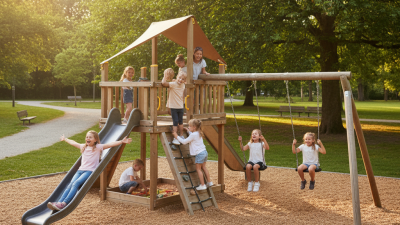
Multi-activity structures combine various elements, like slides and climbing walls. They engage children in diverse play styles, enhancing social interaction during group play. However, these sets often require more space and financial investment. Parents may feel pressured to buy extensive features but should assess their yard's dimensions and their children's preferences. Recognizing the balance between cost and functionality can lead to a better long-term investment.
Evaluating Safety Standards and Materials for Play Sets
When selecting a play set for your backyard, safety is paramount. Evaluate the materials used in construction. Opt for natural wood that is free from toxic chemicals. Avoid treated lumber, as it may contain harmful substances. Plastic components should be durable and UV-resistant, ensuring they won't degrade quickly under sunlight.
Check for safety standards. Look for certifications from recognized organizations. These standards indicate rigorous testing for stability and durability. Sharp edges or rough surfaces can pose risks to children as they play. Ensuring all components are smooth and well-finished can minimize accidents.
Another aspect to consider is the design. Open spaces in the play set allow for better supervision while kids play. Be mindful of the height of platforms and slides. They should provide fun but not enough height to cause serious injuries. Reflect on these factors, as they can greatly influence your child's safety and enjoyment.
Assessing the Space Requirements for Your Backyard Play Set
When considering a play set for your backyard, assessing space is crucial. A well-planned area ensures safety and fun.
Measure the space. Make sure you have enough room for installation.
Think about how much space the children will need to play and move around.
Tips: Keep at least six feet clearance around the set.
This allows for swings, slides, and active play without obstructions. Consider the layout of your yard.
Items like trees or fences can influence your design.
Think about future needs. Your children will grow, and play needs will change.
You may need to recalculate the space. This means leaving flexibility for potential expansions or changing the layout.
Analyzing how your family uses the space is important.
It may result in a better design that encourages outdoor activities.
Considering Age Appropriateness and Developmental Benefits
Choosing a play set for your backyard demands careful thought.
Age appropriateness is crucial. For toddlers, opt for smaller structures with softer materials. They benefit from low platforms and gentle slides.
Such designs promote safe exploration and physical development.
For older children, consider higher slides and climbing walls. They require challenges that enhance their motor skills. Think about incorporating features like monkey bars or swings.
These encourage risk-taking in a safe environment, fostering confidence.
Always reflect on the needs of your children. A play set should grow with them. Sometimes, parents buy too early or too late. Each age brings different interests.
Keep an eye on safety as well. Regularly inspect your play set for wear and tear.
It’s essential to ensure it remains safe and enjoyable.
Budgeting for Your Backyard Play Set: Costs and Long-term Investment
When considering a play set for your backyard, budgeting is crucial.
The initial cost can range from $200 to $4,000, depending on size and materials. A study by the
American Society for Testing and Materials indicates that investing in quality materials
can lead to better durability. This can save money in the long run, reducing the need for replacements.
Tip: Invest in high-quality wood or metal. Cheaper sets may save money now but can lead to higher costs later.
Also, consider installation costs. Professional installation adds $100 to $300.
Planning ahead can avoid unexpected expenses.
Maintenance is another consideration. Most play sets need yearly inspections for safety. Proper maintenance can extend their lifespan by years.
According to a report from the Outdoor Foundation, families that regularly maintain their play sets reported better safety outcomes.
Tip: Create a maintenance schedule. This ensures safety and longevity.
Regular checks can identify wear and tear early, helping you avoid bigger issues later. Engaging your kids in this process can teach them about responsibility too.