China Best PP Woven Bag Manufacturers How to Choose?

Choosing reliable China PP Woven Bag manufacturers requires more than comparing factory prices. A dependable supplier should understand your product, loading method, market requirements, and delivery schedule. Ask for clear specifications, including fabric weight, bag dimensions, stitching style, coating, printing, and handle strength. Request recent samples, not only digital pictures. A sample can reveal uneven seams, weak corners, ink bleeding, or a plastic smell.

Experienced buyers usually examine production capacity and quality controls before placing a large order. Visit the factory when possible, or arrange a documented third-party inspection. Review material records, testing procedures, production photos, and customer references. The manufacturer should explain how it controls recycled or virgin polypropylene content. It should also provide accurate information about food-contact suitability, if relevant, and applicable export standards. Certificates alone are not enough. Verify their scope and validity.

Communication matters more than many buyers expect. A capable supplier confirms artwork, tolerances, packing details, and shipping terms in writing. Response speed can expose future problems. So can vague answers. Compare the full landed cost, including tooling, inspection, freight, and possible rework. The cheapest quotation may hide expensive weaknesses. No checklist is perfect. I have seen attractive samples fail during stacking tests. That is why practical testing should support every purchasing decision. This guide explains how to assess China PP Woven Bag manufacturers with greater confidence, while recognizing that supplier selection still requires careful judgment.

China Best PP Woven Bag Manufacturers How to Choose?

What Defines a Reliable PP Woven Bag Manufacturer in China?

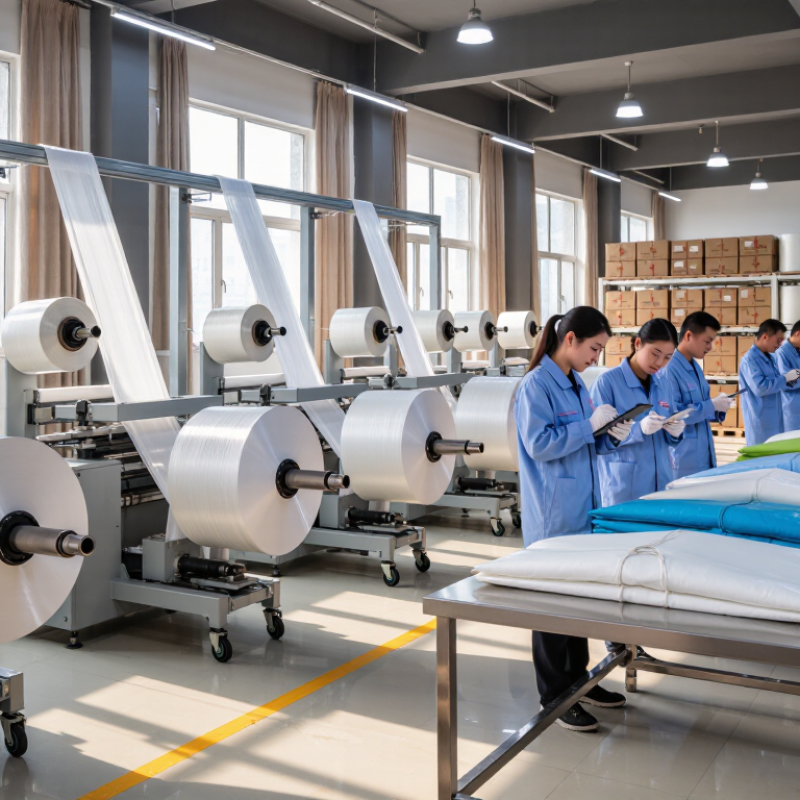
A reliable PP woven bag manufacturer proves its ability through consistent production, not attractive promises. Visit the factory when possible. Check the extrusion lines, weaving machines, printing area, and storage conditions. Clean floors and organized material handling often reveal daily discipline. Ask for production samples from different dates, not only freshly prepared samples.

Professional manufacturers control fabric weight, tensile strength, seam quality, and bag dimensions. They should explain how they inspect raw polypropylene, monitor loom settings, and test finished bags. Request clear inspection records and batch traceability. A dependable supplier also communicates realistic lead times and reports defects honestly. A polished website can still hide weak production control. Even careful audits have blind spots.

Tips: Confirm the factory’s actual production capacity before placing a large order. Ask for a small trial batch with your required size, coating, handle, and printing details. Measure the samples yourself, including length, width, thickness, and loading performance. Discuss packaging and moisture protection early. Check whether the manufacturer can maintain quality during peak seasons, when rushed orders may increase errors. Good communication matters, but documented procedures matter more. Look for practical answers, not perfect answers.

Which Product Features and Customization Options Should You Compare?

When comparing PP woven bag manufacturers, start with measurable product features, not attractive samples. Check fabric weight, yarn denier, tensile strength, seam quality, and dimensional tolerance. A heavier bag is not always stronger. Poor stitching can still cause failure.

The PlasticsEurope report Plastics—The Fast Facts 2023 recorded 400.3 million tonnes of global plastics production in 2022. This makes material selection worth examining carefully. Ask whether the bag uses virgin or recycled polypropylene, and request test evidence. For bulk packaging, compare lamination, moisture resistance, UV treatment, liner options, and load capacity. ISO 21898 provides relevant performance guidance for flexible intermediate bulk containers. ASTM D5276 drop testing can also reveal weak seams and poor construction. Reports matter. But factory records matter more.

Customization should be compared item by item. Review bag dimensions, valve or open-mouth design, closure type, handle structure, printing method, and color accuracy. For food-contact applications, request suitable compliance documentation and migration test results. A printed sample may look perfect under showroom lighting, yet fade outdoors without UV protection. Ask for production samples, not only digital artwork. I have seen buyers focus on low unit prices and overlook pallet stability, which later increases transport damage. That mistake deserves reflection. Also compare minimum order quantities, replacement policies, inspection procedures, and delivery tolerances. The OECD’s Global Plastics Outlook reports that only about 9% of plastic waste was recycled globally in 2019, so recycled-content claims should be verified rather than accepted casually.

China Best PP Woven Bag Manufacturers How to Choose? - Which Product Features and Customization Options Should You Compare?

Comparison Dimension What to Compare Recommended Specification or Selection Point Why It Matters
Bag Material Virgin polypropylene (PP), recycled PP, or a blended material. Use virgin PP when consistent strength, appearance, and food-contact suitability are required. Confirm the recycled content percentage when recycled PP is selected. Material composition affects tensile strength, cleanliness, print quality, odor, and compliance requirements.
Fabric Construction Woven tape width, fabric density, lamination, and coating. Compare fabric weight in grams per square meter, tape quality, and whether the bag has a coated or uncoated surface. Higher fabric weight and suitable density generally improve load-bearing performance, while lamination improves moisture resistance and printability.
Bag Size Finished width, length, gusset depth, and filling volume. Specify dimensions in millimeters or centimeters and test the actual filled dimensions rather than relying only on empty-bag measurements. Correct sizing prevents overfilling, product movement, pallet instability, and unnecessary material costs.
Load Capacity Safe working load, filling weight, and stacking conditions. Common agricultural and industrial bag capacities include approximately 10–50 kg, but the required rating should be confirmed through product testing. Capacity depends on fabric strength, seam construction, bag dimensions, filling method, and handling conditions.
Tensile Strength Strength of the woven fabric and finished bag in the machine and cross directions. Request test results based on recognized methods such as ISO 13934-1 or ASTM D5035, where applicable. Testing provides a measurable basis for comparing durability instead of relying only on fabric appearance.
Seam Strength Bottom seam type, stitching density, thread quality, and reinforcement. Compare single-fold, double-fold, sewn, heat-cut, or reinforced bottom constructions according to the intended load and handling method. Seams are high-stress areas and are a common point of failure during filling, transport, and lifting.
Bag Type Open-mouth bag, valve bag, block-bottom bag, BOPP laminated bag, or FIBC-style construction. Choose open-mouth designs for flexible filling and valve or block-bottom designs when automated filling and improved pallet presentation are important. The bag structure should match the filling equipment, material flow, storage method, and distribution environment.
Handle and Lifting Options Carry handles, lifting loops, hemmed openings, or no-handle construction. For heavier products, compare handle width, loop configuration, stitching reinforcement, and the rated lifting method. Properly designed lifting features improve worker safety and reduce tearing during manual or mechanical handling.
Lamination PP film lamination, inner coating, outer coating, or no lamination. Use lamination when improved moisture resistance, surface smoothness, or higher-resolution printing is required. Lamination can protect contents from external moisture and improve graphics, but it may affect breathability and recycling considerations.
Breathability Uncoated woven fabric, perforated film, ventilation holes, or breathable liner. For products sensitive to condensation, compare ventilation design and air permeability rather than choosing a fully sealed surface automatically. Ventilation can help reduce heat and moisture accumulation in products such as agricultural commodities.
Printing Method Flexographic printing, rotogravure printing, or laminated BOPP film printing. Compare the number of colors, print coverage, registration accuracy, ink suitability, and artwork proofing process. Printing quality affects branding, product identification, handling instructions, and regulatory information.
Customization Options Color, logo, dimensions, gusset, seam, handle, liner, coating, perforation, and closure. Prepare a complete specification sheet including artwork files, color references, tolerances, packaging requirements, and intended use. Complete specifications reduce production errors and make quotations from different manufacturers easier to compare.
Color Consistency Base fabric color, printed color, batch-to-batch consistency, and color approval procedure. Request a physical pre-production sample or approved color swatch before mass production. Color can vary because of resin, ink, lamination, lighting, and production-batch differences.
Food-Contact Requirements Raw-material declarations, ink and additive suitability, cleanliness controls, and required market regulations. For food or feed packaging, request relevant compliance documentation for the destination market and intended contact conditions. Industrial packaging requirements are different from food-contact packaging; documentation must match the actual application.
Dimensional Tolerance Permitted variation in bag length, width, gusset, weight, and printing position. Set measurable tolerances in the purchase specification and verify them during pre-shipment inspection. Defined tolerances improve filling-machine compatibility and help prevent disputes over product consistency.
Moisture and Storage Protection Moisture barrier, liner, pallet packaging, container loading, and warehouse conditions. Compare laminated surfaces, polyethylene liners, moisture-proof wrapping, and protection from direct sunlight during storage. PP itself resists water better than many natural fibers, but seams, openings, liners, and packaging can still allow moisture entry.
Quality Control Incoming-material inspection, in-process checks, finished-bag testing, and traceability. Confirm whether the supplier records fabric weight, dimensions, bag weight, seam quality, printing, and packing quantities. A documented quality system provides repeatability and makes nonconforming products easier to identify.
Sampling and Testing Prototype sample, production sample, laboratory testing, and pre-shipment inspection. Approve a representative sample before bulk production and test the filled bag under realistic transport and stacking conditions. Samples reveal practical issues such as filling performance, seam strength, handling comfort, and print alignment.
Minimum Order Quantity Minimum order for standard bags, custom printing, special colors, and custom tooling. Compare the minimum quantity for each customization level, not only the minimum quantity for plain bags. Custom colors, cylinders, printing plates, and special structures may require larger production runs.
Lead Time Artwork approval, sampling, raw-material preparation, production, inspection, and export packing. Request a written schedule that separates sample lead time from mass-production lead time. A clear schedule supports inventory planning and reduces the risk of production delays before shipment.
Packaging and Shipment Bundle quantity, bale size, pallet use, container loading, and shipping marks. Compare the packed volume and count per container in addition to the unit price. Packaging efficiency affects freight cost, warehouse space, product protection, and unloading efficiency.
Total Cost of Ownership Unit price, tooling, printing, packaging, freight, inspection, wastage, and performance losses. Compare quotations using the same size, weight, material, printing coverage, packing method, and delivery terms. The lowest unit price may not be the lowest overall cost if the bag has higher failure rates or inefficient logistics.
Environmental Considerations Recycled content, material reduction, mono-material design, recyclability, and production waste control. Ask for documented recycled-content information and confirm that environmental claims comply with the destination market’s rules. Environmental performance depends on the full product design and disposal system, not on a single material claim.
Best Selection Practice Comparison of technical performance, customization, compliance, service, and delivered cost. Use a weighted scorecard and require identical samples or test conditions when comparing different suppliers. A structured comparison helps identify the most suitable product for the application rather than selecting only by price.

How Can You Verify Factory Quality, Certifications, and Capacity?

Choosing among China’s PP woven bag manufacturers requires more than a polished website. Ask for a current factory address, business license, production photos, and a live video tour. During a visit, inspect circular looms, coating lines, printing equipment, sewing stations, and finished-bag storage. A clean floor helps, but it does not prove consistent quality. Check whether operators record fabric weight, seam strength, dimensions, and valve performance. Request recent inspection reports, not prepared samples only. Good evidence is traceable.

Verify certifications directly with the issuing organization or its public database. Check the certificate holder, factory address, scope, expiry date, and product category. A certificate covering another site may not protect your order. Ask for batch test reports from an independent laboratory, especially for tensile strength, drop resistance, and applicable migration requirements. Match each report’s material description with your purchase specification. Some documents look convincing. Small details matter.

Capacity should be measured against your delivery schedule. Request monthly output records, machine counts, workforce details, and production plans for peak seasons. Compare claimed capacity with warehouse space and recent shipping documents, while protecting confidential information. Place a controlled trial order and inspect random bags before approving mass production. Measure thickness, stitching density, print alignment, and packing quantity. Keep retained samples and signed specifications. I have seen delays start with optimistic promises. A factory may be capable, yet overloaded. Leave room for rejected units, maintenance, and shipping changes. Never rely on one conversation.

How Should You Assess Pricing, Samples, and Production Terms?

China Best PP Woven Bag Manufacturers: How to Choose?

Assess pricing beyond the first quotation. A reliable manufacturer should explain fabric weight, bag size, coating, printing colors, stitching, and packaging costs. Ask whether the price includes tooling, sample development, inspection, and delivery preparation. A very low quote may hide thinner fabric or weaker seams. That is not always dishonest, but it needs checking. Compare at least three detailed quotations, not three final numbers.

Samples reveal practical quality. Request samples made with the proposed material and construction. Check seam tension, handle strength, print clarity, odor, and dimensional consistency. Fill one bag with the intended product and lift it repeatedly. I once saw a visually attractive sample fail because its bottom stitching was too narrow. Sample approval should include written specifications, tolerance limits, and revision records. Photos are useful. Physical samples are better.

Tips: Confirm the minimum order quantity, production timeline, payment stages, and replacement policy. Ask for a pre-production sample before bulk manufacturing. Clarify how quality inspections are performed and who pays for rework. Keep communication in writing. Small misunderstandings can become expensive. Production terms should also cover raw material changes, shipment delays, and acceptable defect rates. Do not rely only on promises. A factory may have strong equipment but weak follow-up, and that difference often appears after the deposit.

How to use this assessment: Compare PP woven bag manufacturers by assigning the greatest weight to total cost transparency, sample quality, minimum-order flexibility, delivery reliability, customization capability, and documented quality control. A lower quoted price should not outweigh weak samples, unclear production terms, or inconsistent quality.

What Should You Confirm Before Choosing a Long-Term Supplier?

Choosing a long-term PP woven bag supplier requires more than comparing unit prices. Confirm the factory’s actual production capacity, equipment condition, and quality control process. Request recent samples with matching dimensions, fabric weight, lamination, stitching, and printing. Details matter.

Ask how raw materials are selected and tested. The supplier should explain resin grades, recycled content, tensile strength, and load-testing methods clearly. Request inspection records, test reports, and certifications required in your destination market. Verify whether these documents are current and traceable. A reliable supplier will not avoid technical questions.

Confirm production lead times with a written schedule, including sampling, bulk manufacturing, inspection, and shipping. Discuss minimum order quantities, packaging methods, payment terms, and how defects will be handled. A factory visit or live video inspection can reveal storage problems that photographs hide. I have seen buyers trust attractive samples, then receive weaker bags during mass production. That mistake is expensive. Ask for a pre-shipment inspection and keep approved samples for comparison. Communication also matters; delayed replies often become delayed solutions. No supplier is perfect, including the one that appears most organized. Leave room for review, testing, and honest correction before signing a long-term agreement.

Article Source: