Why Are Outside Play Sets Essential for Child Development?
In today's fast-paced world, outdoor play is more important than ever for children's development. Experts agree on the significance of these experiences. Dr. Emily Richards, a child development specialist, emphasizes, "Outdoor play sets are crucial for healthy growth." This insight highlights the necessity of outside play sets in fostering young minds and bodies.
Outside play sets offer children a unique opportunity to explore, create, and imagine. They encourage physical activity, vital for developing motor skills. Children learn social skills while playing together, gaining teamwork and communication abilities. However, not all children have equal access to these essential resources. Many families struggle to provide safe outdoor spaces.
Additionally, parents must reflect on how much time their children spend outdoors. Overdependence on screens can limit exposure to these enriching experiences. Involving children in outdoor play not only promotes their well-being but also enhances their creativity and problem-solving skills. Ensuring that every child has access to outside play sets can make a significant difference in their development.
The Importance of Outdoor Play in Child Development
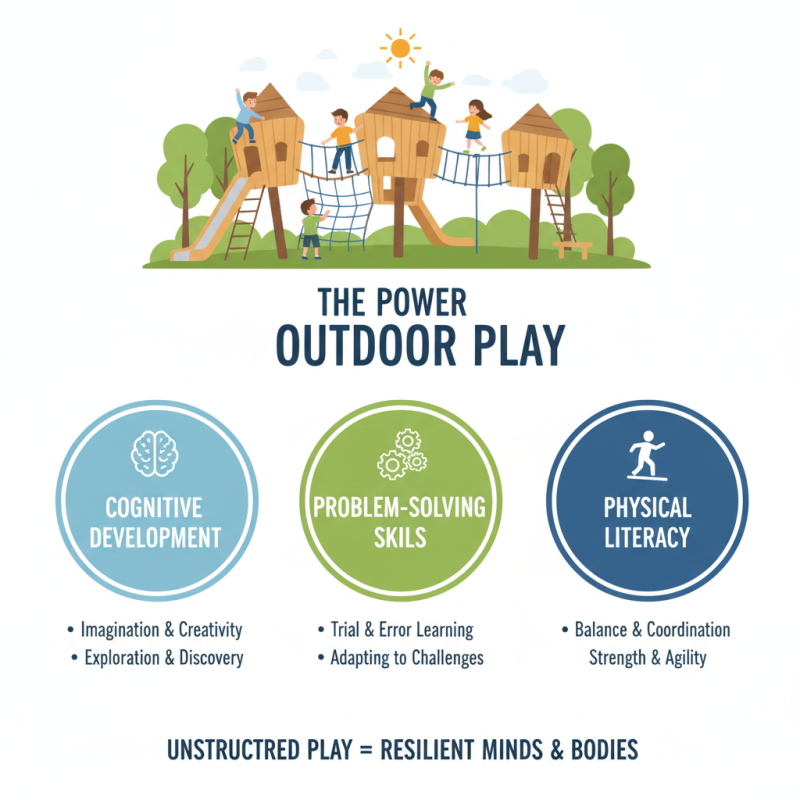
Outdoor play is crucial for healthy child development. Children need fresh air and space to explore their surroundings. Outdoor play helps build physical skills, such as balance and coordination. Running, jumping, and climbing are fun activities that support strength and agility. These activities also allow children to understand risk and develop their confidence.
Tips for parents: Create a safe outdoor environment. Ensure there are soft surfaces under play sets. Supervise children while they play but allow them to take risks. It promotes independence. Try to limit screen time and encourage outdoor play instead.
Outdoor play also enhances social skills. Kids learn to share, negotiate, and collaborate. They often make new friends while playing. However, some children may shy away from group play. Parents should encourage them gently to join in. Offer opportunities for solo play too, allowing for personal reflection and creativity. Let them explore nature, collecting leaves or rocks. This simple act can spark imagination and foster a love for the outdoors.
Physical Benefits of Using Outside Play Sets for Children
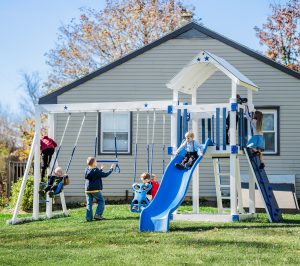
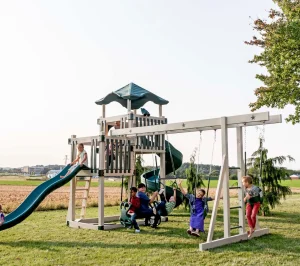
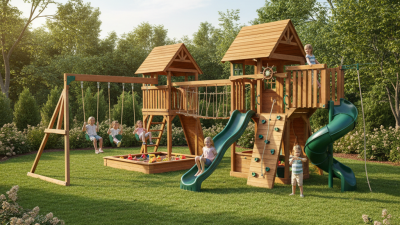
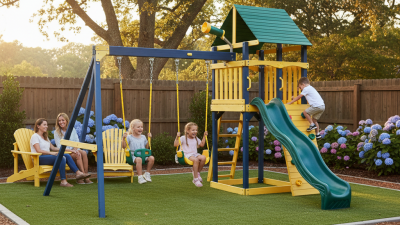
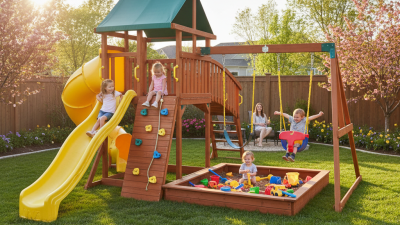
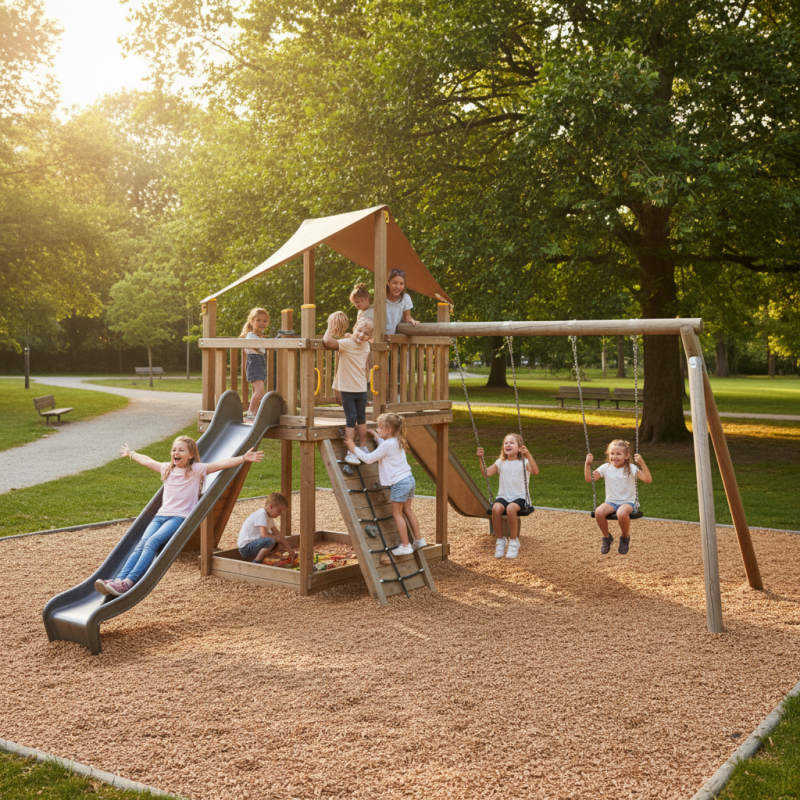
Outdoor play sets play a vital role in promoting physical benefits for children. They help develop gross motor skills through climbing, swinging, and running. Kids engage their bodies in various movements that enhance coordination and balance. These activities build strong muscles and improve overall fitness.
Playing outside allows children to socialize while enjoying physical play. They learn to share equipment and take turns, fostering essential social skills. However, some kids might struggle with these interactions. It is important for parents to guide them in developing healthy social habits.
Safety is a concern, but it shouldn't stop outdoor play. Supervision is crucial, especially with younger children. Parents can create safe environments by ensuring equipment is well-maintained. This way, kids can explore and experiment freely. Creating opportunities for exploration outside can lead to improved creativity and confidence.
Cognitive Development and Problem-Solving Skills through Outdoor Play
Outdoor play is vital for children. It fosters cognitive development and enhances problem-solving skills. When kids engage in unstructured play, they learn to navigate challenges. Climbing a structure requires balance and coordination. Figuring out how to ascend often involves trial and error.
As children explore, they encounter obstacles. They might need to think creatively to overcome them. For instance, they might have to find a way across a makeshift balance beam made from logs. This challenges them to devise strategies. They learn from mistakes too, questioning what works and what doesn’t.
The dirt and grass become their learning ground. They ask questions about their surroundings and interact with peers. These experiences build essential social skills. Kids participate in discussions and negotiate play scenarios. Despite the mess, these moments are precious for growth.
Social Skills and Teamwork Fostered by Playing Outside
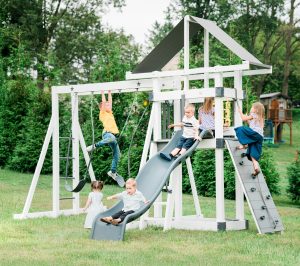
Outdoor play sets are crucial for developing social skills in children. When kids engage in play, they learn to communicate. They negotiate rules, express feelings, and resolve conflicts. Studies show that children who play outdoors tend to develop better teamwork abilities. According to the American Academy of Pediatrics, outdoor play can enhance cooperation among peers.
Playing together fosters a sense of belonging. Children learn to share and take turns, essential components of teamwork. A survey conducted by the National Recreation and Park Association found that 70% of children improved their social interactions after regular outdoor play. In a natural setting, kids experience real-world scenarios. They must adapt and collaborate, building resilience and problem-solving skills.
Despite these benefits, not all children have access to safe outdoor environments. Urban settings often lack adequate play spaces, limiting opportunities. Reflecting on this, communities should prioritize creating accessible play areas. Play sets in neighborhoods can offer safe zones for kids to explore. It’s vital to ensure that every child has a chance to grow socially through outdoor play.
Emotional Well-being Linked to Outdoor Play Experiences
Outdoor play is crucial for children’s emotional well-being. When kids engage in play outside, they experience joy. They climb, run, and explore. These activities foster a sense of freedom. Imagine a child laughing as they swing high in the air. This simple act builds confidence.
Outdoor settings offer unique challenges. Kids face obstacles, whether they are climbing trees or navigating a sandbox. Each challenge helps develop resilience. They learn to deal with frustration when they fall or face setbacks. These moments shape their emotional growth.
Furthermore, outdoor play encourages social interactions. Children bond with peers during games like tag or hide and seek. They learn to share, cooperate, and resolve conflicts. However, some kids hesitate to join in. It’s essential for caregivers to encourage participation. Building these skills is not always easy, but worth the effort. Each outdoor experience creates lasting memories.