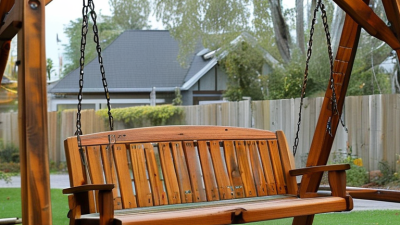
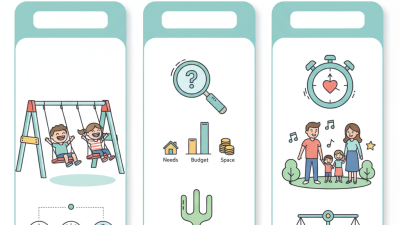
Top 10 Childrens Swing Set Types for Global Buyers?
Choosing the right childrens swing set requires more than comparing colours, prices, and catalogue photographs. Global buyers must consider age groups, climate, installation space, maintenance, safety testing, and replacement-part access.
Grand View Research’s Playground Equipment Market Size, Share & Trends Analysis Report identifies residential and commercial playground equipment as distinct market segments. This distinction matters because a compact backyard swing set faces different demands from a school or hospitality project. Residential buyers may prioritise easy assembly and low maintenance. Commercial buyers often require stronger materials, documented testing, and long-term supplier support.
Safety comes first. The U.S. Consumer Product Safety Commission’s Public Playground Safety Handbook highlights protective surfacing, entrapment risks, fall zones, and equipment spacing. ASTM F1487 also provides widely referenced performance and safety requirements for public playground equipment. These sources do not replace local rules, but they offer a useful technical baseline for international purchasing decisions.
This guide examines ten childrens swing set types, including belt swings, bucket swings, nest swings, tire swings, glider swings, saucer swings, wooden sets, metal frames, adaptive designs, and modular systems. Each type creates a different user experience. A bucket seat supports younger children. A nest seat encourages shared movement. A galvanized steel frame may suit humid locations, while treated timber can offer a warmer visual style.
Details matter. Yet no catalogue removes every uncertainty. Supplier documentation can be incomplete, and installation quality may vary. Buyers should question load ratings, coating specifications, warranty terms, spare parts, and inspection procedures before ordering. A lower purchase price is not always the lower total cost.
Classify the Top 10 Swing Set Types by Seat Design, Age, and Play Function
Top 10 Children’s Swing Set Types for Global Buyers
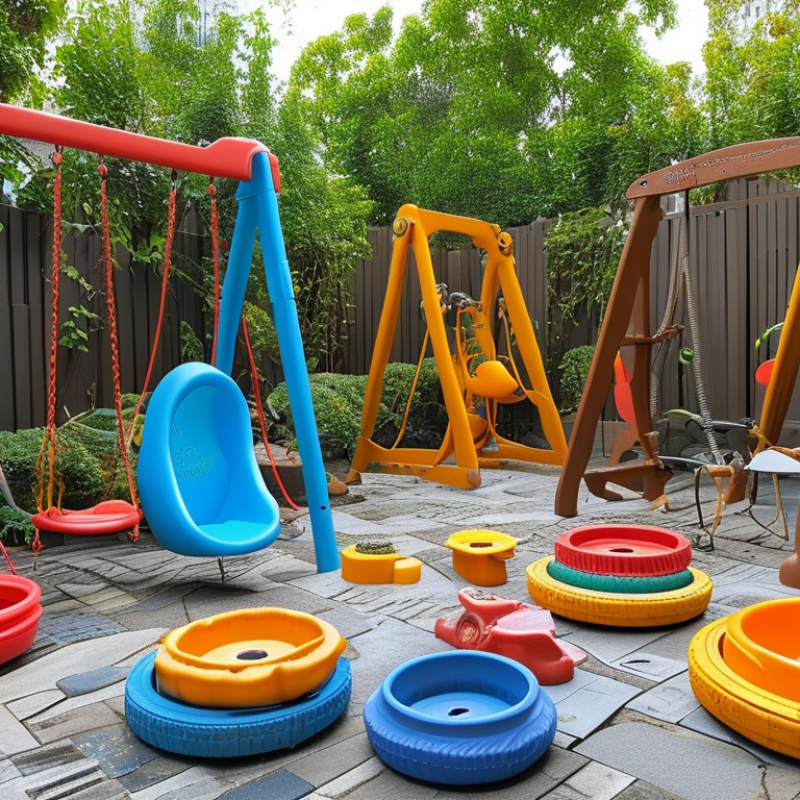
Swing sets differ by seat design, child age, and play function. The infant bucket swing has a deep seat and restrained posture for babies using adult supervision. A toddler high-back swing supports smaller bodies and reduces forward slipping. The flat belt seat suits school-age children who can balance independently. A molded full-support seat offers extra stability for cautious users. The disc swing uses a round seat and encourages gentle spinning. It needs clear spacing around the frame.
The tire swing works well for shared play and relaxed movement. A nest swing provides a broad surface for sitting, lying, or group play. A face-to-face glider lets two children coordinate their rhythm. An adaptive support swing can include harnesses or wider seating for children with different mobility needs. A standing surf-style swing targets older children and develops balance, but it demands careful supervision. This type is not suitable for every playground.
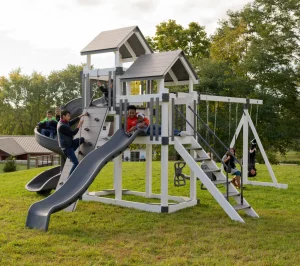
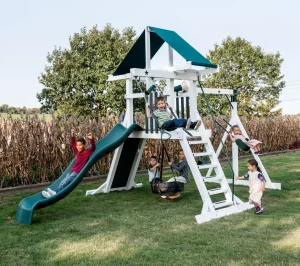
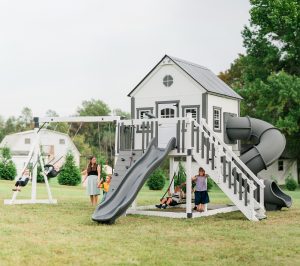
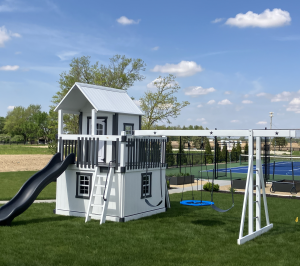
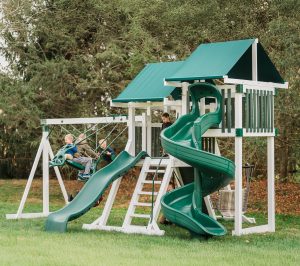
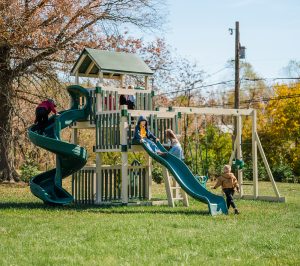
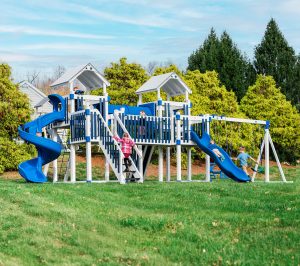
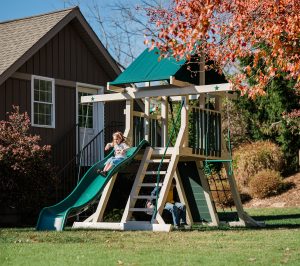
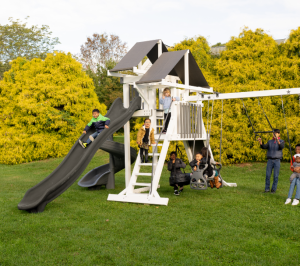
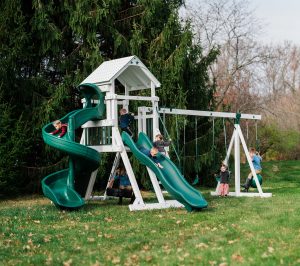
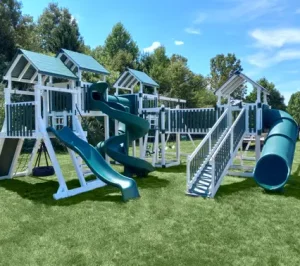
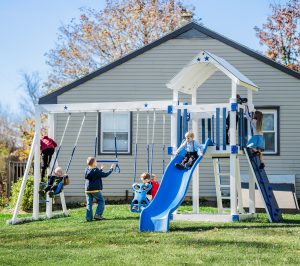
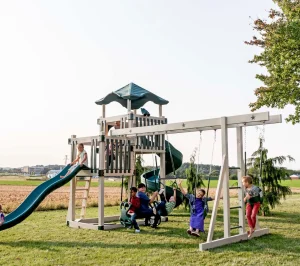
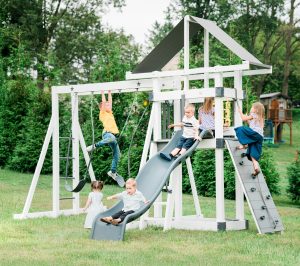
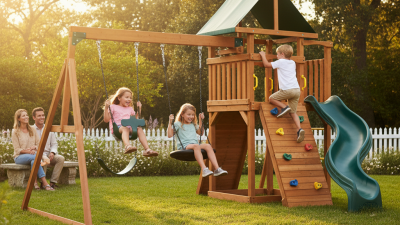
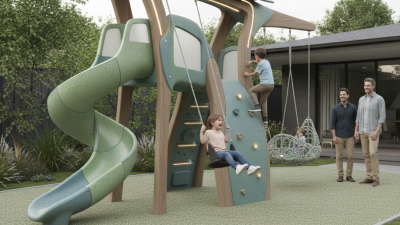
A mixed-age modular set combines several seats and functions. It may include climbing steps, a slide, and two swing heights. In my buying experience, seat height often matters more than appearance. Check the child’s age, weight, reach, and confidence level. Confirm materials, anchor points, fall zones, and local playground requirements. Product labels can be unclear across markets, and age guidance sometimes feels too broad. Buyers should request test documents and installation instructions before ordering. A colorful frame is useful, but safe movement comes first.
Compare Belt, Bucket, Tire, Glider, and Adaptive Swings Using ASTM F1148 Criteria
Global buyers should compare swing types through ASTM F1148 criteria, not appearance alone.
The U.S. CPSC estimates more than 200,000 playground injuries receive emergency treatment annually, with falls among the leading causes.
Belt swings suit older, coordinated children.
Bucket swings offer deeper support for toddlers, but openings and restraints need careful inspection.
Tire swings require secure suspension and generous clearance.
Glider swings need stable handholds and controlled motion.
Adaptive swings demand individual fit, transfer space, and caregiver access.
ASTM F1148 emphasizes structural strength, sharp-edge control, entrapment prevention, suspended hazards, seat security, and use zones.
Protective surfacing also matters. A soft surface cannot correct poor spacing.
CPSC playground guidance recommends impact-attenuating surfacing beneath elevated equipment, while local standards may differ.
Global buyers should request load tests, material specifications, installation drawings, and inspection records.
One overlooked detail is drainage. Water around a tire seat can create slippery contact points and hidden corrosion.
Tips:
Match the seat to the child’s age, balance, and transfer ability.
Measure the full swing arc, not just the frame.
Check bolts by hand.
Then verify the ground.
A checklist is useful, but it is not perfect.
Real users move unpredictably, especially children wearing winter clothing.
Adaptive equipment may need professional assessment, not a simple catalog selection.
CPSC NEISS data and ASTM F1148 offer strong references, yet local climate, supervision practices, and installation quality still change the risk profile.
Check Global Safety Requirements: ASTM F1148, ASTM F1487, and EN 1176
For global buyers, choosing among the top 10 children’s swing set types begins with safety standards, not appearance. ASTM F1148 covers residential playground equipment, including home-use swing sets. ASTM F1487 applies mainly to public-use playground equipment. EN 1176 provides European requirements for playground design, materials, installation, and inspection. These standards address fall zones, entrapment openings, sharp edges, stability, and impact-absorbing surfacing.
A practical review should match the swing set’s location and expected users. A backyard unit may need different testing from equipment installed in a school or public park. Ask suppliers for current test reports, material specifications, installation instructions, and maintenance records. Check whether the swing seat, chains, fasteners, and frame were evaluated together. They may not be interchangeable. Local regulations can also add requirements beyond these standards.
Tips:
Measure the full fall zone before ordering. Leave clear space around the swing path. Confirm the surface depth after installation, not only in the catalogue. Inspect bolts, hooks, and ground anchors regularly. Small gaps deserve attention. A trained inspector should review public equipment before opening. Buyers sometimes focus too heavily on certificates, while poor assembly creates real hazards. That is an easy mistake to make. Keep records of inspections, repairs, and weather exposure, especially for wooden or metal structures near the coast.
Match Fall Heights With CPSC Surfacing Guidance: 9 Inches for 7 Feet
Choosing a children’s swing set starts with fall height, not colorful accessories. The U.S. Consumer Product Safety Commission (CPSC) recommends at least 9 inches of loose-fill surfacing for equipment with a fall height up to 7 feet. This guidance appears in the CPSC Public Playground Safety Handbook. It covers materials such as engineered wood fiber, shredded rubber, and sand.
Nine inches sounds exact. It is not.
Surfacing can compress, scatter, or thin beneath swing exits. A busy swing may repeatedly expose the same landing zone. Buyers should measure the highest accessible standing point, then inspect the surface depth after installation. ASTM F1292 testing can also verify impact attenuation for playground surfacing. For international projects, EN 1177 provides another recognized method for evaluating critical fall height. Requirements may differ by country, so local review remains necessary.
The CPSC report Playground Equipment-Related Injuries and Deaths estimated an average of 206,700 emergency-department-treated injuries annually among children under 18 during 2016–2018. Falls represented a major share of reported incidents. That figure makes surface planning more than a purchasing detail. It is a maintenance responsibility.
A practical warning: rubber tiles do not automatically solve every risk. Gaps, hard edges, drainage problems, and poor installation still matter. I would also question any layout that places two swing bays too close together. The numbers guide decisions, but real site observation catches mistakes. Surface depth should be checked before opening day, after heavy rain, and throughout the season.