2026 Top Play Set Trends You Need to Know?
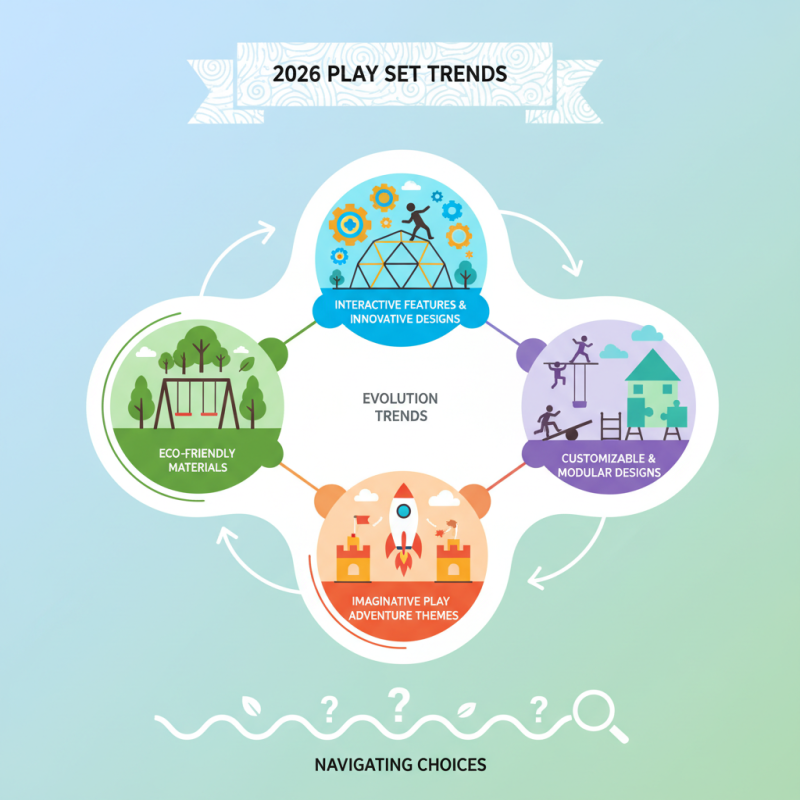
In the ever-evolving world of outdoor fun, play sets are a staple in backyards everywhere. The 2026 top play set trends showcase innovative designs and interactive features. These updates focus on enriching children's play experiences and fostering creativity.
Today's play sets go beyond traditional swings and slides. They incorporate elements that promote physical activity and imaginative play. Manufacturers are incorporating eco-friendly materials into their designs, making play sets safer for kids and the environment.
As families look for ways to create memorable experiences at home, the demand for unique play sets grows. This year’s trends reflect this desire for adventure and creativity. Yet, navigating these choices can be overwhelming. Parents need to carefully consider what fits their space, budget, and children’s interests. Finding the right play set can be a challenging journey, but it's worth exploring together.
Emerging Materials and Designs in 2026 Play Sets
As we approach 2026, the landscape of play sets is evolving rapidly. Emerging materials are taking center stage. Recycled plastics are becoming popular due to their durability and eco-friendliness. These materials are not only safe for children but also help reduce plastic waste. Wood remains a classic choice, yet there is a shift toward sustainable sourcing and finishes that are better for the environment.
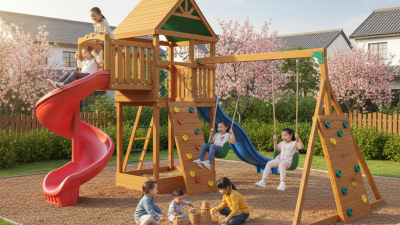
Designs are also innovating to enhance play experiences. Modular play sets allow for customizable configurations. Kids can rearrange components for fresh adventures. Bright, vivid colors attract children’s attention and stimulate creativity. However, with all these new trends, there are challenges. Some designs may lack stability or require more maintenance. Parents must consider long-term durability alongside innovative aesthetics.
Safety is paramount in any play set. With new materials and designs, guidelines need to keep pace. Regular checks for wear and tear are essential. Ensuring every piece is secure helps create a worry-free play environment. As trends evolve, the balance between fun and practicality is critical for both manufacturers and parents.
Top Safety Innovations for Play Sets in 2026
Safety is paramount when it comes to play sets. In 2026, we see a rise in safety innovations aimed at protecting children while they enjoy outdoor fun. One significant trend is the use of impact-absorbing materials. These materials can soften falls and reduce injuries. Companies are increasingly adopting these advanced composites in their designs.
Another exciting development is playground design that incorporates natural elements. This approach not only enhances safety but also promotes imaginative play. For instance, integrating mounds and tunnels made from natural materials can provide safe exploration areas. However, the balance between safety and creativity must be carefully managed. Some designs may sacrifice safety for aesthetics, which can lead to potential hazards.
We also observe the growing emphasis on interactive features. Sensors that detect falls or excessive weight can alert caregivers quickly. While these innovations offer high-tech solutions, they raise questions about over-reliance on technology. Will parents become complacent, trusting gadgets more than their supervision? It's important to reflect on the way forward, ensuring that balance is maintained in safety while keeping play engaging and enriching.
Smart Technology Integration in Modern Play Sets
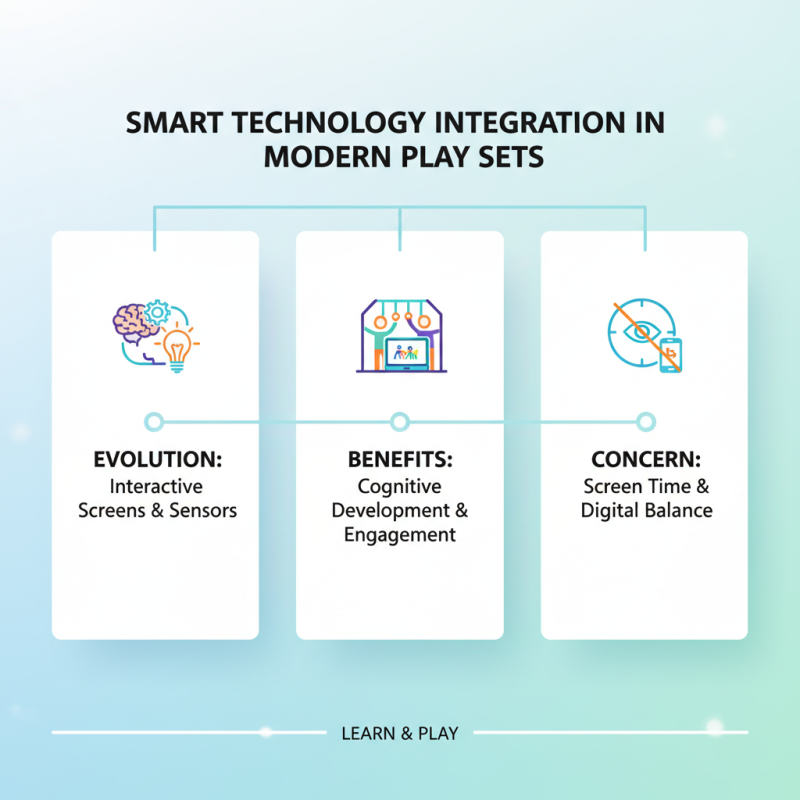
As play sets evolve, smart technology is increasingly becoming a vital component. Modern play sets now integrate features like interactive screens and sensors. These technologies can promote cognitive development and enhance engagement. Children can learn while they play, making the experience both fun and educational. However, this integration brings up some concerns about screen time.
Parents often worry about the balance between digital play and physical activity. While the technology engages kids, it should not replace outdoor play. A play set with too many screens may lead to a sedentary lifestyle. Finding the right balance is essential. It’s crucial for parents to monitor usage and encourage physical interaction.
Involving children in technology-based play should also be supervised. It offers an opportunity for parents to engage as well. Consider the amount of time spent indoors versus outdoors. Thoughtful integration of smart tech can foster creativity and teamwork. However, the potential over-reliance on technology must be addressed. It's important to reflect on how we shape play in a digital age.
Environmental Sustainability Trends in Play Set Manufacturing
In recent years, environmental sustainability has become a crucial trend in play set manufacturing. As parents and educators prioritize eco-friendly options, manufacturers are rethinking their production processes. Sustainable materials, such as recycled plastics and responsibly sourced wood, are gaining popularity. This shift results in products that are better for the planet while maintaining high quality and safety standards.
When selecting a play set, consider its lifespan. Many products claim durability but may fall short. Look for play sets that combine recycled materials with weather-resistant features. This ensures they withstand the test of time and the elements. Additionally, don’t overlook the importance of local sourcing. Supporting local manufacturers reduces carbon footprints associated with transportation.
Another important aspect involves the end-of-life of play sets. Many traditional products end up in landfills. Look for brands that offer take-back programs. These initiatives often recycle components, promoting a circular economy. By understanding the full lifecycle of a play set, parents can make informed decisions.
Remember, transparency is key. Seek out manufacturers who share information about their sustainability practices. This can be a good indicator of their commitment to eco-friendly principles.
2026 Top Play Set Trends You Need to Know - Environmental Sustainability Trends in Play Set Manufacturing
| Trend |
Description |
Materials Used |
Environmental Impact |
| Recycled Materials |
Use of post-consumer plastics and reclaimed wood to create durable play sets. |
Recycled plastics, reclaimed wood |
Reduces waste, lowers carbon footprint |
| Natural Finishes |
Coating play sets with organic and non-toxic finishes for safety. |
Organic oils, water-based paints |
Safer for children, less harmful to the environment |
| Energy Efficient Manufacturing |
Implementing renewable energy sources in the production process. |
Solar power, wind energy |
Reduces dependency on fossil fuels, lower emissions |
| Modular Design |
Creating customizable and expandable play sets to extend product life. |
Durable components for reconfiguration |
Encourages reuse, minimizes waste |
| Biodegradable Materials |
Utilizing materials that can naturally decompose without harming the ecosystem. |
Bamboo, natural rubber |
Less accumulation in landfills, eco-friendly disposal |
Popular Thematic Play Set Features for Kids in 2026
In 2026, play sets are becoming more thematic and imaginative. Children are drawn to spaces that spark creativity. Nature-inspired play sets are gaining popularity. Treehouses that mimic real trees offer a sense of adventure. Kids can climb, hide, and explore within these unique structures.
Fantasy-themed sets are also on the rise. Castles and pirate ships transport children into their favorite stories. These environments allow for endless role-play. Parents should consider designs that encourage collaboration among kids. Sharing space fosters teamwork and social skills.
While trends emerge, safety remains essential. Materials must meet high standards; durability is key. Yet, sometimes, innovative designs can overlook essential safety features. Parents should be aware, inspecting play sets for stability. Additionally, consider the environment where the play set will be installed. Is there enough space for the kids to roam? Addressing these factors ensures a fun and secure playtime experience.