



Choosing a Prison LED Downlight supplier involves more than comparing prices or lumen figures. In correctional facilities, lighting must support clear visibility, dependable operation, and practical maintenance. A poorly matched fixture can create uneven illumination, glare, or avoidable service work. Details matter.
This guide introduces ten suppliers from different markets and outlines factors buyers can assess: product range, housing materials, optical performance, energy use, warranty terms, and technical support. It also considers whether manufacturers provide clear specifications and documentation for their Prison LED Downlight products. Such information helps facility teams compare options, but it does not replace a project-specific lighting plan or independent verification.
Specifications can look persuasive on paper. Still, installation conditions, ceiling layouts, cleaning routines, and local procurement requirements affect real-world suitability. The “best” supplier may therefore differ between projects. Some details are not easy to compare, and published claims may need clarification. Readers should confirm current certifications, test data, and service coverage directly with each supplier before making a decision. This overview offers a starting point, not a universal ranking of performance.
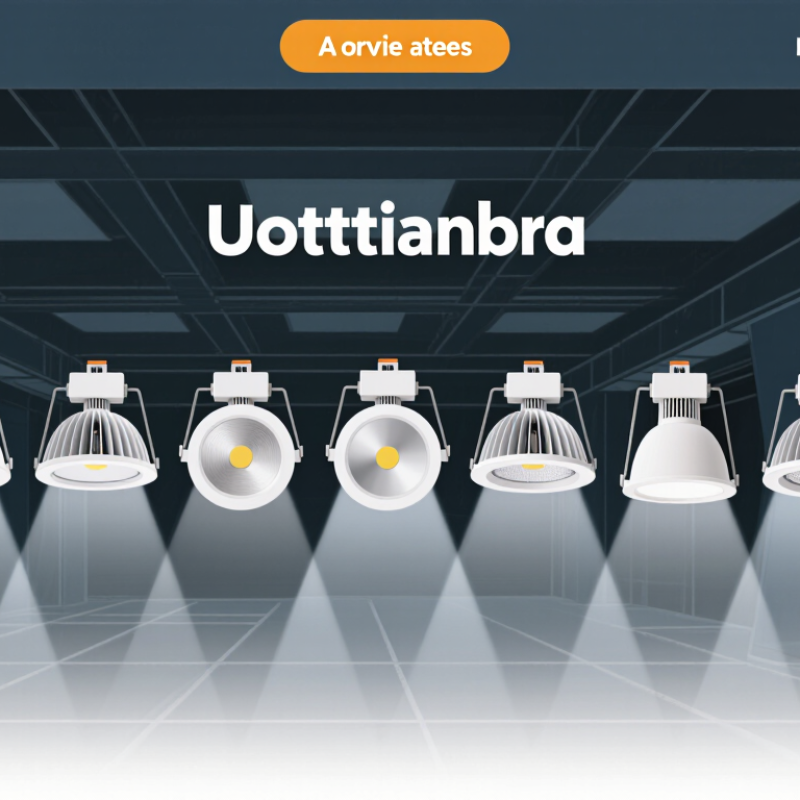
Prison LED downlights are ceiling fixtures designed to provide dependable illumination in secure indoor spaces. They may be recessed or surface-mounted, depending on the ceiling and maintenance needs. Compared with older lighting, LEDs generally use less energy and can offer longer service life. Their purpose is practical: make surfaces, doorways, and work areas clearly visible. Simple, but demanding. A fixture must also suit the room’s physical conditions.
These lights may be used in cells, corridors, common areas, healthcare rooms, and staff workspaces. Each space needs a different balance of brightness, glare control, and color quality. In a narrow corridor, even light can reduce deep shadows; in a room used for reading, harsh glare can become tiring. Designers often consider impact-resistant covers, secure fastenings, sealed housings, and access for authorized maintenance. Requirements vary by facility, so product selection should be checked against project specifications. One detail is easy to overlook: a high light output does not automatically create comfortable or useful lighting.
Tips: Review the mounting height, ceiling material, and cleaning routine before choosing a fixture. Check light distribution on site when possible. A small trial installation can reveal glare or dark patches that drawings miss. Be ready to revise the layout.
Prison LED downlights are recessed or surface-mounted luminaires used in spaces such as cells, corridors, dayrooms, washrooms and healthcare areas. The chart summarizes the water-ingress protection codes defined by IEC 60529, which can help inform luminaire selection for damp or washdown-prone locations.
The horizontal scale shows the IPX code number, an ordinal classification—not a measure of performance on a linear scale. IPX1–IPX6 describe different water-exposure tests; IPX7 and IPX8 concern immersion under specified conditions. An immersion rating does not automatically mean the luminaire has passed water-jet tests. IP ratings address ingress protection, not impact or tamper resistance; confirm the complete specification for each installation area.
Source: IEC 60529, Degrees of protection provided by enclosures (IP Code).
A prison LED downlight supplier should be judged on verified performance, not catalogue claims alone. Ask for photometric files showing beam spread, uniformity, and glare control in narrow cells and corridors. Check whether the supplier documents color temperature, color rendering, thermal management, and driver life. Small details matter: a harsh hotspot above a desk can make an otherwise efficient fitting uncomfortable.
Energy claims need a clear comparison. The U.S. Department of Energy’s Energy Saver guidance reports that LEDs use at least 75% less energy and can last up to 25 times longer than incandescent lighting. That comparison is not a prison-specific guarantee. Request project-level calculations, stated operating hours, and the baseline lamp type. The DOE’s Solid-State Lighting R&D Opportunities report also highlights reliability and system performance as important development priorities. Ask for test methods and dated reports. A polished datasheet is not proof.
Installation conditions deserve equal scrutiny. Suppliers should explain how their downlights handle heat, dust, frequent cleaning, and access for maintenance. Request independent test documentation for electrical safety, ingress protection, and impact resistance, matched to the actual specification. Compare warranty terms, replacement-part availability, and driver-change procedures. I would also ask for a sample fitting and inspect its light on a mock ceiling. That takes time. Yet a supplier who cannot answer practical questions may leave the facility with costly maintenance gaps.
A practical, evidence-based framework for assessing suppliers of secure-facility LED downlights
This table ranks evaluation criteria, not individual suppliers. No supplier identities or supplier-specific performance claims are included. Requirements should be confirmed against the project specification and applicable local regulations; there is no single universal prison-lighting standard.
| Rank | Evaluation dimension | Weight | What to verify | Evidence to request |
|---|---|---|---|---|
| 1 | Photometric performance | 14% | Illuminance, uniformity, glare control, beam distribution, and color characteristics against the project’s room-by-room lighting design. | Independent or traceable photometric test reports, IES or LDT files, and lighting calculations. IES LM-79 describes measurement methods for solid-state lighting products. |
| 2 | Product safety and conformity | 14% | Electrical and mechanical safety, declared ratings, and conformity with the regulations applicable in the installation market. | Test reports and declarations relevant to the destination market. IEC 60598-1 covers general requirements and tests for luminaires; local legal requirements may add further obligations. |
| 3 | Secure construction and tamper resistance | 12% | Housing strength, secure fasteners, resistance to unauthorized access, and suitability of the lens or diffuser for the specified threat level. | Drawings, material specifications, fastening details, and documented impact or tamper tests. Confirm test methods and acceptance levels in the project specification; do not assume a universal prison-grade rating. |
| 4 | Ingress protection and cleaning suitability | 10% | Protection against dust and water where needed, plus compatibility with the cleaning agents and procedures used at the facility. | IP test documentation and written cleaning-chemical compatibility information. IEC 60529 defines the IP Code classification system; the required rating depends on the installation location. |
| 5 | Driver and electrical performance | 12% | Input voltage and frequency, power factor, harmonic performance, surge protection, dimming compatibility, and flicker characteristics. | Driver datasheets and electrical test reports. Check LED controlgear safety documentation against applicable requirements, including IEC 61347-2-13 where relevant. |
| 6 | Service life and lumen maintenance | 10% | Declared operating life, lumen-maintenance assumptions, operating temperature limits, and warranty terms for the complete luminaire. | Lifetime calculations and supporting LED package, module, or light-engine data. IES LM-80 test data and IES TM-21 projections may support lumen-maintenance claims, but do not by themselves establish the life of the complete luminaire. |
| 7 | Photobiological and visual safety | 6% | Photobiological risk classification and suitability of the light output for the intended spaces and operating conditions. | Photobiological safety assessment to IEC 62471 where applicable, together with product information on color temperature, color rendering, and glare-control options. |
| 8 | Maintainability and replacement strategy | 8% | Access method, replaceable components, availability of compatible spares, and the effort required to service a secure installation. | Service instructions, component lists, spare-parts policy, and details of how access and maintenance can be performed under the facility’s security procedures. |
| 9 | Controls and emergency-lighting compatibility | 7% | Compatibility with specified control systems and any required emergency-lighting or backup-power arrangement. | Control-gear compatibility lists, wiring diagrams, and relevant emergency-lighting test documentation. Verify requirements against the applicable local code and project design. |
| 10 | Quality assurance and delivery capability | 7% | Production consistency, traceability, change control, delivery planning, and ability to provide project documentation and technical support. | Quality-management documentation, inspection records, product traceability information, delivery schedules, and documented technical-support arrangements. |
| Total evaluation weight | 100% | Use the same documented scoring method and project requirements for every supplier being assessed. | ||
Choosing among the top 10 prison LED downlight suppliers worldwide requires more than comparing catalogue wattage. A fixture should provide even illumination across cells, corridors, and inspection areas, without harsh glare or dark corners. Check its sealed housing, impact resistance, thermal performance, and driver access. These details matter during cleaning and maintenance. The U.S. Department of Energy’s LED lighting guidance says LEDs use at least 75% less energy and can last up to 25 times longer than incandescent lighting. That comparison is useful, but it does not predict savings against an existing LED installation.
A credible supplier comparison should examine independent photometric reports, warranty terms, spare-part availability, and documented quality controls. Ask for measured lumen output, color temperature, and beam distribution—not just marketing claims. A datasheet is not enough. Confirm that sample fixtures perform consistently in a real installation, especially where ceiling height and wall finishes affect light. Suppliers serving multiple regions may offer broader support, but shipping delays and local service capacity deserve equal scrutiny. One weakness in many “top ten” lists is unclear scoring: a polished ranking can hide missing test data or unequal product comparisons. Treat the list as a shortlist, then verify each claim against project requirements.
Prison LED downlight suppliers differ most in how clearly they document design choices, compliance, and after-sales support. Compare beam distribution, glare control, housing materials, and service access. A narrow beam may leave corners dim, while excessive brightness can create uncomfortable reflections on polished surfaces. Ask for photometric files and sample fittings, then review the light pattern in a representative ceiling mock-up. Small details matter.
Tips: Check the rated impact resistance, ingress protection, cleaning compatibility, and driver replacement method. Request current test reports for the exact proposed model, not a similar product. Requirements vary by project and location, so have the responsible technical team verify applicable standards before approval.
Support can be harder to assess than a datasheet suggests. Ask how quickly suppliers respond to technical questions, whether spare drivers are available, and how they handle installation queries. Clear warranty terms and traceable product documentation are useful signs of dependable service. Still, paperwork cannot reveal every on-site issue. A well-reviewed fitting may prove awkward to maintain once installed, so include installers and facilities staff in the evaluation.
Choosing a supplier for a correctional facility begins with the actual room conditions. A shower area needs moisture protection; a cell ceiling needs a robust, securely fastened fitting. Ask for documented impact and ingress-protection ratings, photometric test files, and clear installation instructions. A high lumen rating alone can mislead. Check that the supplier can explain glare control and light distribution in a mock-up or sample room.
Reliability affects both safety and maintenance planning. The U.S. Department of Energy reports that LED products use at least 75% less energy and can last up to 25 times longer than incandescent lighting. These figures are broad comparisons, not a lifespan guarantee for a continuously operated correctional fixture. Request rated lifetime data, thermal test results, warranty terms, and replacement-part availability. Details matter. Confirm that emergency-lighting controls and existing electrical systems are compatible before specifying quantities.
Supplier support deserves equal scrutiny. Ask for consistent product documentation, traceable quality testing, and a realistic lead-time commitment. Check whether staff can clean the lens without damaging its seal, and whether replacement units will match the installed color and output. A low purchase price may hide difficult servicing or uneven light. I would compare total maintenance needs, not just the first quotation; that estimate can still miss real-world wear.
