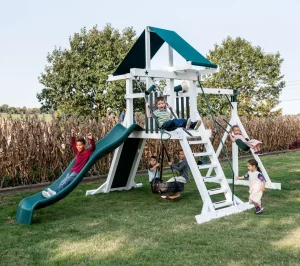
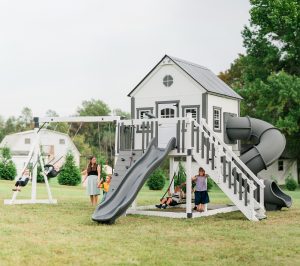
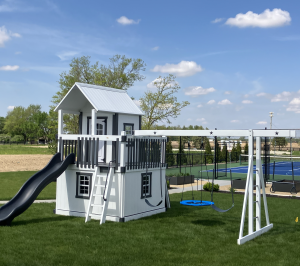
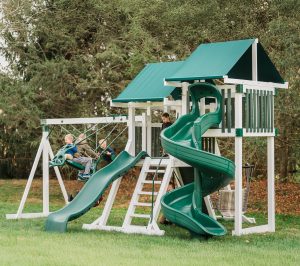
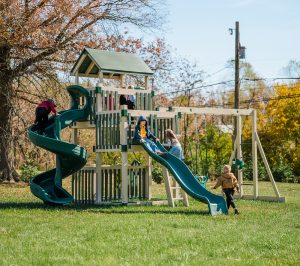
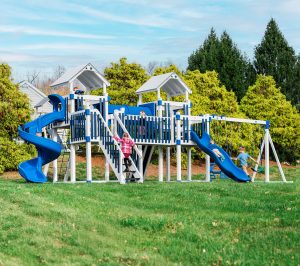
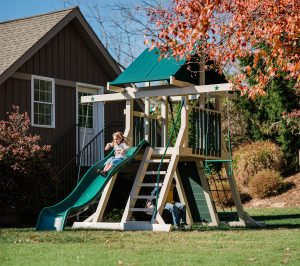
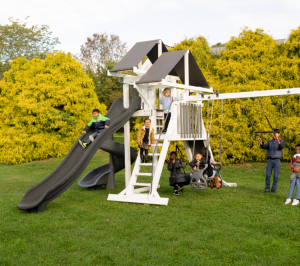
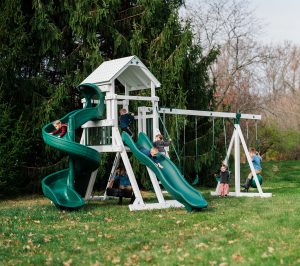
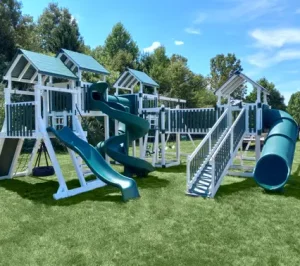
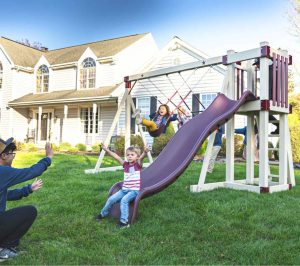
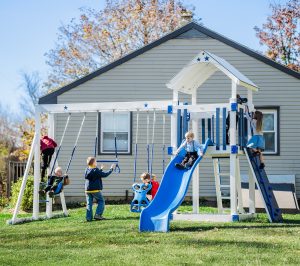



Choosing the best amish swing set requires more than admiring its hand-built appearance. The timber may look beautiful, but safety, spacing, weather resistance, and long-term maintenance matter just as much. A sturdy set should feel balanced under movement, with smooth edges, secure hardware, and enough room for children to play without crowding. Think about your yard after heavy rain, not only on a sunny showroom day.
Amish furniture specialist Eli Stoltzfus says, “A good swing set should serve children first, and decoration second.” That simple idea deserves attention. Cedar or treated wood can resist outdoor wear, yet every material needs care. Check for splinters, loose bolts, fading stain, and soft spots each season. Small details become important when little hands climb every surface.
These seven tips explore what buyers often overlook. They cover construction quality, age-appropriate design, installation, safety zones, and value. A lower price can seem attractive. It may hide thinner lumber or weaker connectors. Still, even a premium amish swing set is not automatically perfect. Measure your yard carefully, question unclear claims, and consider how quickly your children will grow. The best choice may be less elaborate, but more stable, repairable, and genuinely suited to your family.
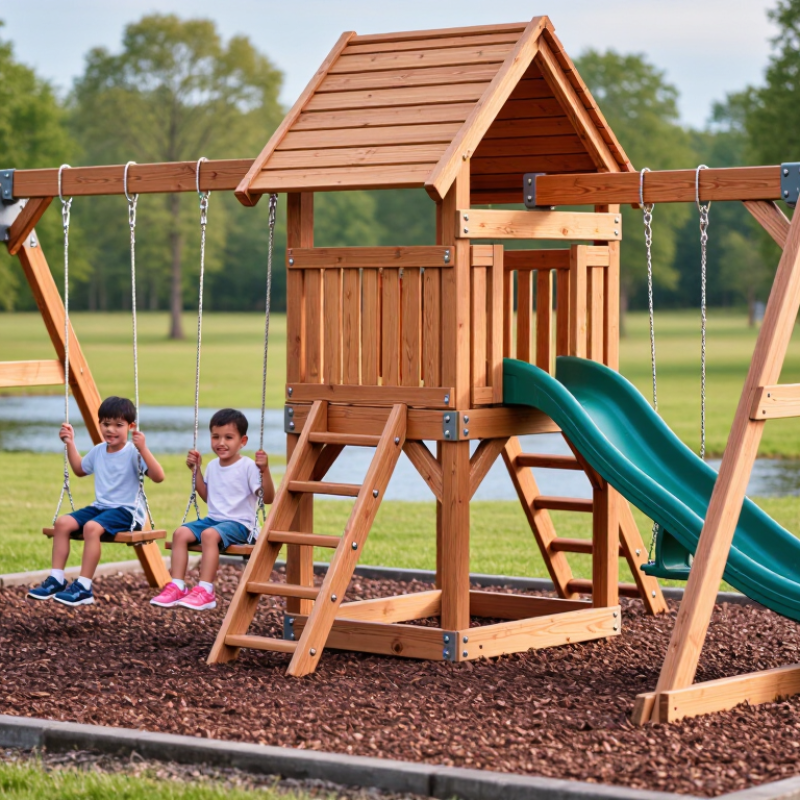
Define Your Yard Space, Family Needs, and Swing Set Size
Measure the yard before browsing designs. Leave at least six feet of open space around the play area. Children run, jump, and rarely follow planned routes.
Check the ground carefully. A level surface makes installation easier and reduces unnecessary movement. Grass may look soft, but it can become slippery after rain.
Match the swing set to your children’s ages and abilities. Toddlers need lower platforms, enclosed climbing features, and supportive seats. Older children may prefer climbing walls, bridges, or taller slides.
Count the children who will play together. One swing may cause daily arguments. Two or three seats can improve sharing, although they require more room.
Think about long-term use. A large structure may seem exciting now, but unused features can become costly obstacles. I once underestimated how quickly children outgrow small platforms.
Study the construction details. Look for sturdy posts, smooth edges, secure hardware, and clear installation instructions. Experienced builders should explain maintenance needs without making vague promises.
Consider sightlines from the house. You should see the play area from a kitchen window or patio. This simple detail supports supervision and gives parents more confidence.
Measure twice. Children change quickly. Reconsider your first sketch if the structure crowds walkways, trees, or outdoor seating. A slightly smaller swing set may provide better movement, visibility, and everyday enjoyment.
7 Tips for Choosing the Best Amish Swing Set
Amish craftsmanship often shows in careful joinery, smooth sanding, and consistent alignment. Look closely at every connection. Mortise-and-tenon joints, reinforced corners, and recessed bolts usually indicate thoughtful construction. Loose hardware should concern you. Ask how the wood was dried, treated, and stored before assembly. Kiln-dried lumber can reduce warping, although it does not eliminate movement completely. That detail is easy to overlook.
Material selection affects comfort, durability, and maintenance. Cedar resists decay naturally and feels warm under small hands. Pressure-treated lumber can provide strength, but it should have a clearly documented treatment process. Check for cracked boards, exposed fasteners, sharp edges, and excessive knots. The finish should cover end grain without hiding defects. A glossy surface can mislead me. It may look impressive while masking poor preparation. I would rather see clean workmanship than heavy stain.
Construction quality also includes safety engineering. Inspect the swing beam, bracing, platform, ladder, and anchoring system as one structure. Each part should feel stable, not merely attractive. Hardware needs corrosion resistance and proper sizing. Moving components should operate smoothly without pinch points. Confirm the set suits the intended age, weight range, and available yard space. Installation instructions should be clear and specific. Even excellent materials can fail when the base is uneven or the anchors are shallow. Leave room for drainage, inspection, and future tightening. A small flaw today may become a costly repair later.
7 Tips for Choosing the Best Amish Swing Set
Check Safety Features, Stability, and Age-Appropriate Design
A strong swing set begins with safe construction. Check for rounded edges, covered bolts, and smooth, splinter-free wood. Openings should not trap a child’s head, neck, or limbs. Inspect the swings, ropes, and connectors for secure attachment. A soft landing zone matters too. Use deep, impact-absorbing material beneath active areas, and keep hard objects away from the frame.
Stability deserves close attention. Choose a frame with wide legs, strong cross-bracing, and reliable ground anchors. Test it gently before children climb aboard. It should not rock, twist, or lift at the base. Place the set on level ground, not near fences, pools, branches, or steep slopes. Leave enough clearance around every swing. More space is safer. Check the wood regularly for cracks, loose hardware, and moisture damage. I once noticed a slightly loose bolt during a routine check. It looked harmless, but small problems can grow quickly.
Age-appropriate design prevents avoidable risks. Toddlers need low platforms, short slides, secure handrails, and enclosed climbing areas. Older children may enjoy taller decks, challenging ladders, and faster swings. Confirm the manufacturer’s recommended ages and weight limits. Supervise new users, even when the equipment seems simple. Children often use structures in unexpected ways. That is where judgment matters. A set may be attractive, sturdy, and still unsuitable for your child’s current skills. Recheck the design as children grow. Voices change. Confidence changes faster.
7 Tips for Choosing the Best Amish Swing Set
Tip 1: Examine customization options before comparing prices. A well-built swing set should fit your yard, children, and daily routines. Ask about platform height, ladder style, roof design, and stain choices. Measure the play area carefully, including a generous fall zone around every swing. I once underestimated that space, and the installation felt tighter than expected. Small planning errors matter.
Tip 2: Choose accessories that support varied play. Belt swings, rope ladders, slides, climbing walls, and picnic tables create different challenges. Check weight ratings, hardware quality, and replacement availability. A toddler bucket swing may be useful now, but older children may quickly outgrow it. Avoid adding every accessory at once. More equipment can reduce open movement space and increase maintenance.
Tip 3: Investigate long-term durability through materials and construction details. Look for pressure-treated or naturally durable wood, rounded edges, reinforced joints, and corrosion-resistant fasteners. Ask how the structure handles moisture, insects, ultraviolet exposure, and seasonal temperature changes. Request care instructions in writing. Reliable builders should explain inspections, anchoring, and refinishing clearly. Still, no wooden set stays perfect without attention. Check bolts each season, watch for splinters, and inspect areas where water collects. That routine takes minutes, but skipping it can shorten the set’s useful life. A sturdy frame matters most.
| Tip | What to Compare | Option A: Essential Set | Option B: Growing Family Set | Option C: Active Play Set | Practical Selection Guidance |
|---|---|---|---|---|---|
| 1 | Frame material and construction | Pressure-treated solid wood frame with standard bracing. | Pressure-treated or naturally rot-resistant wood with reinforced cross-bracing. | Heavy-duty wood frame with additional support for multiple play features. | Look for structural-grade lumber, rounded edges, countersunk fasteners, and diagonal bracing. Wood should be free from major splits, decay, and loose knots in load-bearing areas. |
| 2 | Customization options | Two belt swings and a simple slide. | Choice of slide length, swing-seat style, climbing wall, or picnic table. | Multiple slide styles, rope ladder, climbing wall, monkey bars, and accessory mounting points. | Choose features that match the children’s ages and available yard space. Custom features can increase both footprint and installation time. |
| 3 | Weight capacity and user limits | Typically intended for one child per swing position and age-appropriate solo play. | Usually supports simultaneous use of several play stations when installed on a properly prepared surface. | Designed for higher activity levels, but each swing, platform, and climbing element still has its own limit. | Verify the manufacturer’s stated weight limits for every component. Never assume the total frame capacity equals the capacity of each accessory. |
| 4 | Accessories and replacement parts | Basic swings, slide, handles, and safety hardware. | Adjustable-height swings, trapeze bar, sandbox area, steering wheel, or play telescope. | Climbing rocks, cargo net, fire-pole alternative, tube slide, or additional swing positions. | Prioritize accessories that can be replaced individually. UV-resistant swing seats, galvanized hardware, and readily available ropes help extend service life. |
| 5 | Weather resistance and finish | Exterior-rated stain or water-repellent finish with routine inspection. | Penetrating exterior stain or paint system, plus sealed exposed end grain. | Enhanced moisture protection, corrosion-resistant fasteners, and replaceable wear components. | Pressure-treated wood helps resist decay but still needs maintenance. Recoat according to the finish instructions and inspect after severe weather. |
| 6 | Safety surface and installation | Suitable for a compact play zone with protective surfacing. | Requires a larger impact-absorbing area around swings, slides, and climbing features. | Needs the greatest clearance, anchoring, and fall-zone planning. | Use a level site, secure the frame with approved anchors, and install impact-absorbing surfacing such as engineered wood fiber, loose-fill rubber, or approved synthetic systems. Grass and soil are not reliable impact protection. |
| 7 | Long-term durability and upkeep | Lower initial cost and fewer parts to maintain. | Balanced durability, flexibility, and maintenance requirements. | Highest play value but more hardware and accessories to inspect. | Plan for seasonal bolt checks, splinter inspection, surface refinishing, drainage control, and replacement of worn ropes, seats, slides, or connectors. A simpler design can last longer when consistently maintained. |
Choosing an Amish swing set requires more than admiring its cedar finish. Review the builder’s reputation through recent customer feedback, project photos, and independent discussion forums. Look for repeated comments about solid construction, honest communication, and responsive service. One glowing review proves little. Patterns matter more.
Ask for the warranty before paying a deposit. Check which parts it covers, how long protection lasts, and whether labor or replacement hardware is included. Weather exposure can affect wood, so ask about maintenance expectations. A vague warranty creates stress later. I once underestimated this detail.
Delivery also deserves careful attention. Confirm the shipping date, unloading method, and driveway requirements. A large playset may arrive in several heavy crates. Measure gates, turns, and side paths before ordering. Ask whether assembly is included or charged separately. A narrow entrance can turn a simple delivery into an expensive problem.
Calculate the total cost, not just the advertised price. Include site preparation, anchoring, assembly, delivery fees, protective treatment, and future repairs. Request a written estimate with every charge listed. Compare quality and service, not only the lowest number. A cheaper set may need more maintenance, while a higher price should provide clearer materials and stronger support. Leave room for surprises, because outdoor projects rarely follow the original plan exactly.