2026 How to Choose the Best Plastic Playground Set for Kids?
Choosing the right plastic playground set for kids is crucial. Parents want safe, durable, and fun options. With so many products available, making a decision can be overwhelming. Consideration of various factors can lead to a satisfying choice. A quality plastic playground set nurtures creativity and physical activity.
Materials and design affect safety significantly. A well-constructed set minimizes risks. Look for sets that meet safety standards and have protective features. Colorful designs can capture children's attention, making playtime more enjoyable. However, not all vibrant options are made equally.
Reflect on your child's age and interests. Some sets may seem ideal but can be too advanced or limited. Take time to research brands and read reviews. Recommendations from trusted sources can help avoid costly mistakes. Ultimately, balancing quality, safety, and enjoyment is vital in selecting the best plastic playground set for your children.
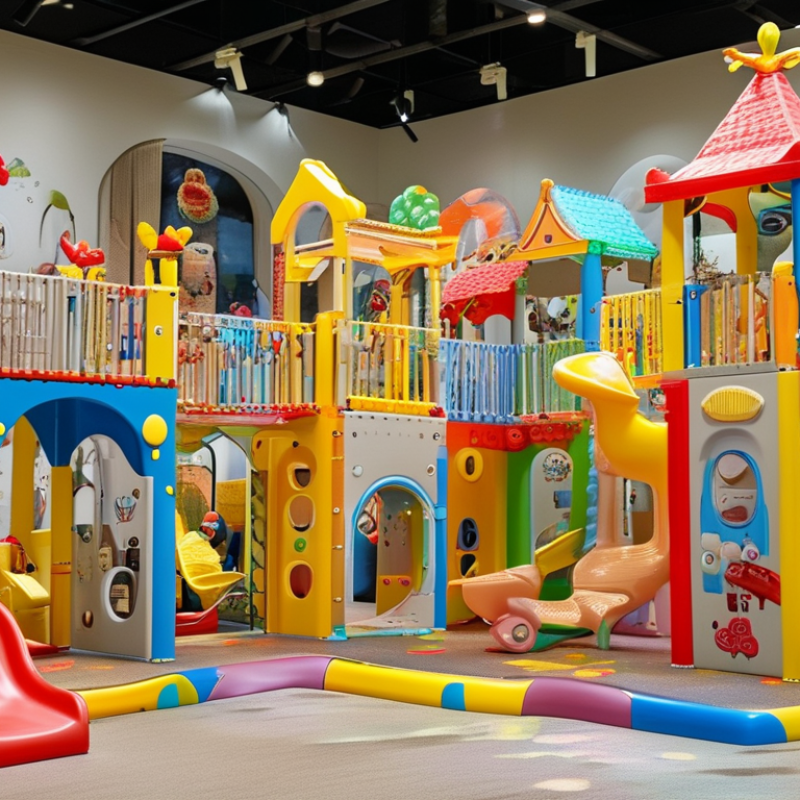
Types of Plastic Playground Sets Available for Kids
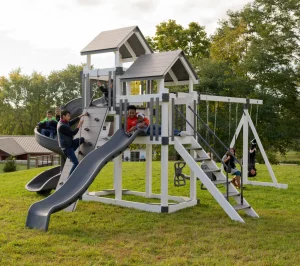
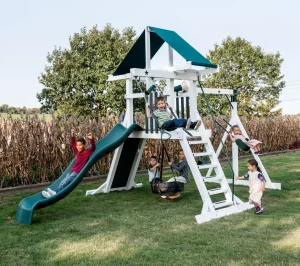
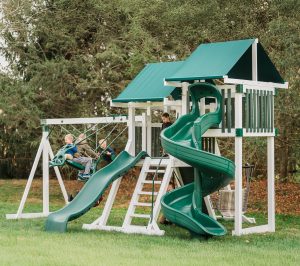
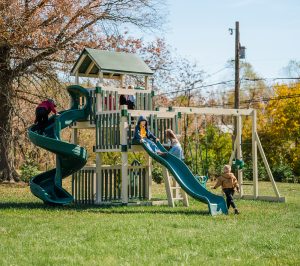
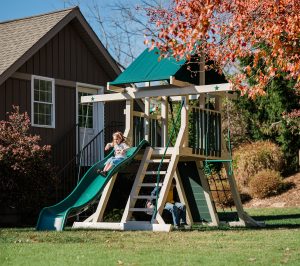
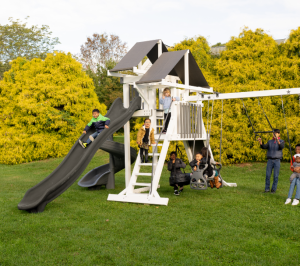
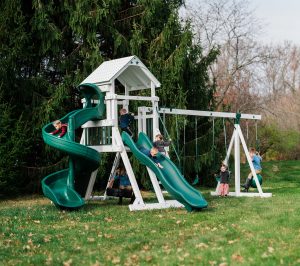
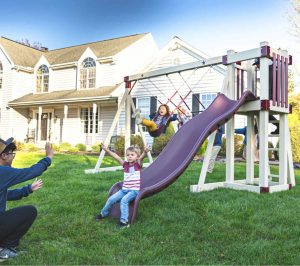
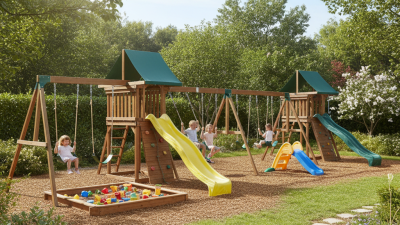
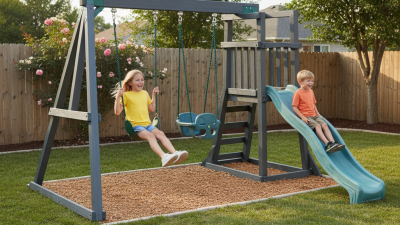
When selecting a plastic playground set for kids, understanding the types available is essential. One common type is the slide and swing combo. This set usually includes a slide and one or more swings. Kids love the thrill of sliding down, followed by the joy of swinging high. Another popular option is the climbing structure, often featuring tunnels and ladders. These structures promote physical activity and help kids build strength.
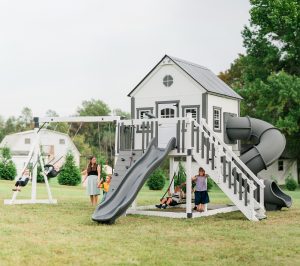
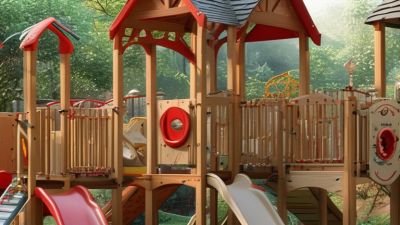
In addition to these, there are also interactive playsets. These often incorporate elements like steering wheels, musical instruments, or activity panels. Such features encourage imaginative play, enhancing creativity. However, some parents find these sets can be expensive. It's important to assess your budget and choose wisely.
Consider safety and space too. Some sets require more room than others. It’s necessary to measure your yard or play area. Also, not all plastic materials are equal in quality. Some may fade or crack over time. Reading reviews or seeking advice from experienced parents can provide insights. Always prioritize durability and child safety over price.
Key Safety Features to Consider When Buying Playground Equipment
When selecting a plastic playground set for kids, safety features are paramount. According to the Consumer Product Safety Commission (CPSC), more than 200,000 children are treated for playground-related injuries each year. One critical aspect is the material quality. High-density polyethylene (HDPE) is recommended for its durability and UV resistance. It can withstand harsh weather, reducing maintenance issues and potential hazards.
Soft surfaces are essential for minimizing injuries. The American Society for Testing and Materials (ASTM) suggests using materials like rubber mulch or poured-in-place surfaces. These materials can significantly absorb impacts, lowering the risk of concussions. Ensuring proper ground cover around play structures can save you from unforeseen accidents.
Another crucial feature to consider is equipment design. Look for rounded edges and non-toxic materials. Children’s safety is enhanced with secure railings and easy-to-use ladders. Many accidents stem from poorly designed equipment. Inspecting weight limits and stability testing results can also aid in making informed decisions. Regular maintenance checks are necessary. Even the best equipment can show wear and tear over time, presenting risks if not addressed.
Age Appropriateness of Plastic Playground Sets for Different Kids
Choosing the right plastic playground set for kids requires careful consideration of age appropriateness. Young toddlers may need simple, low-to-the-ground structures that promote exploration and independence. Safety should be a priority. Equipment should have rounded edges and a sturdy base. The height of slides and climbing areas must accommodate the smallest children. This encourages safe play without the risk of falls.
For preschool-aged kids, look for sets that offer more complexity. Slides with twists and turns can spark their imagination. Climbing walls with grips become more appealing at this stage, catering to growing motor skills. Yet, not all sets will support every child's abilities. Continuous observation is essential. Children will have different preferences and comfort levels with the equipment.
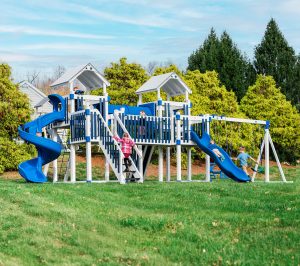
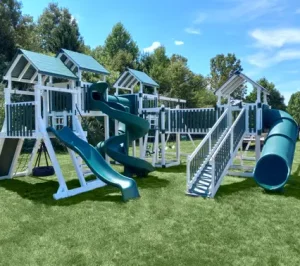
Older children often seek adventure and challenge. Larger swing sets or multi-level structures can meet their needs. However, supervison is needed even for experienced players. Groups of children can sometimes overwhelm a set, leading to potential accidents. It is vital to ensure the set can accommodate the number of kids playing simultaneously. These elements weigh into how effectively a playground can serve different age groups.
Guidelines for Ensuring Ease of Assembly and Maintenance
When selecting a plastic playground set for kids, ease of assembly and maintenance are crucial factors. Many sets arrive with extensive instruction manuals that can be daunting. Practicing with a trial assembly can help you grasp the parts better. A simplified set might save time and frustration. After assembly, take a moment to familiarize yourself with all components. This will make repairs or adjustments quicker.
Maintenance should not be overlooked. Look for sets that offer easy access to screws and joints for routine checks. Some sets fade over time or require regular cleaning. Consider the location of your playground, as heavy rain or sun exposure can lead to wear. Choosing a plastic material that is both weather-resistant and durable can alleviate future concerns. Regular inspections can help catch potential issues early. A bit of reflection on what works best in your environment goes a long way in enjoying the playground for years to come.
Budgeting for a Quality Plastic Playground Set: What to Expect
Budgeting for a quality plastic playground set is a crucial step for parents. When considering the investment, families should expect to spend between $200 and $3,000. According to the American Society for Testing and Materials (ASTM), safety standards add to the cost. Durable materials and innovative designs enhance longevity but will also increase prices.
It’s essential to recognize that cheaper sets may lack safety features. A study by the Consumer Product Safety Commission shows that many injuries occur due to poorly constructed playground equipment. Investing in a mid-range to high-quality set ensures better safety and enjoyment for children. The long-term savings from reduced injuries and maintenance should also be a factor in your budget.
When budgeting, think about additional costs. Delivery charges can add $50 to $150, while installation may run from $100 to $500. Not all sets come with necessary anchors or protective materials. It's prudent to account for these extras. The upfront cost may be challenging, but quality playground sets provide reliability and peace of mind, ensuring children can play safely for years.
Comparison of Key Features in Plastic Playground Sets