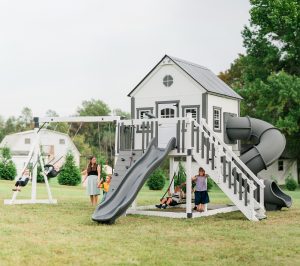
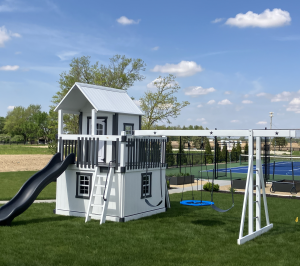
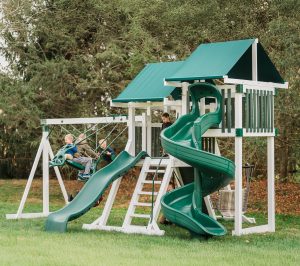
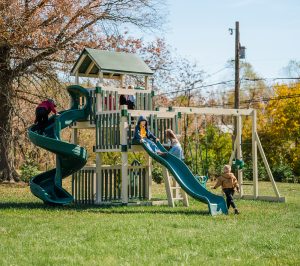
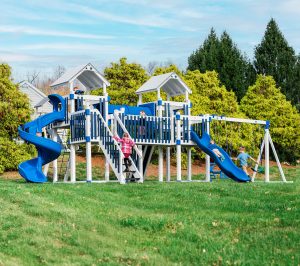
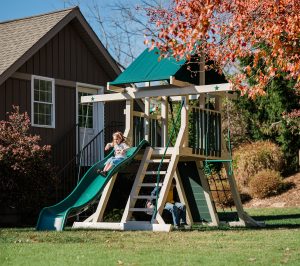
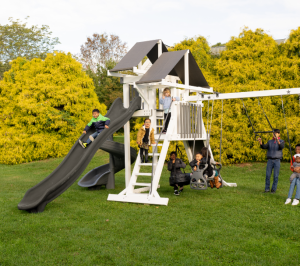
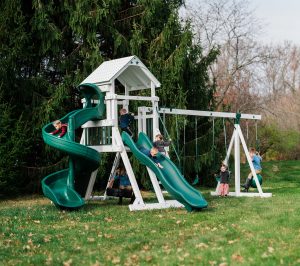
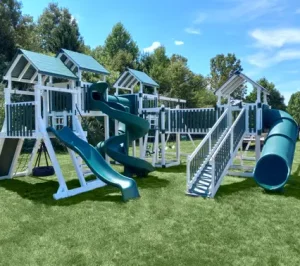
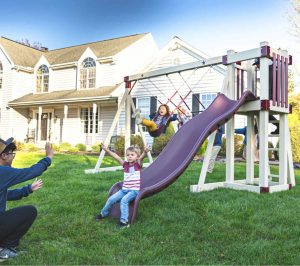
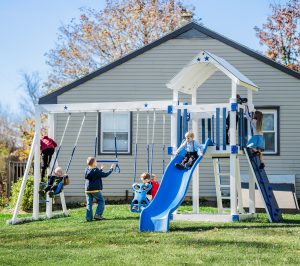
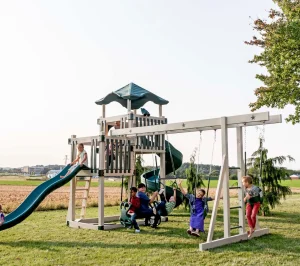



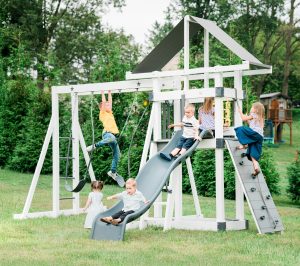
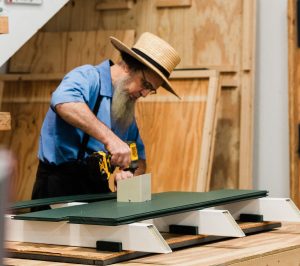
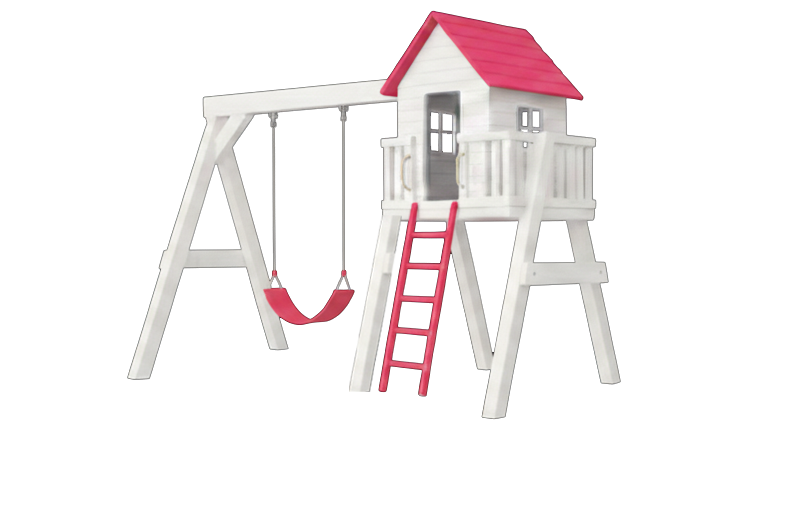
A modern swing set can turn an ordinary backyard into a place for movement, imagination, and shared play. The difference is not simply a sleek frame or fresh colors. Thoughtful design considers how children climb, swing, pause, and return to play. Playground researcher Dr. Joe L. Frost has long studied children’s play environments. A useful takeaway from his work is: “Good play spaces invite children to move, explore, and make choices.” Treat that as a guiding principle, not a substitute for checking a product’s specifications.
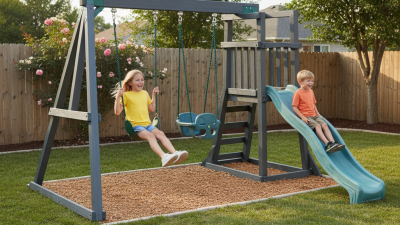
Picture a child gripping a cool metal chain, then pumping their legs as the swing rises. Nearby, a sibling waits for a turn. Small details matter: comfortable seats, stable construction, clear space around the swing, and equipment suited to children’s ages and abilities. A well-chosen modern swing set can support active play while fitting the yard and the family’s routines. It should feel inviting, not crowded.
Looks are only part of the decision. Check the manufacturer’s assembly instructions, recommended age and weight limits, anchoring requirements, and maintenance guidance. Inspect hardware and surfaces regularly, since wear can be easy to miss. No design removes every risk. And a bigger set is not always better. The right choice depends on the children who will use it, the available space, and the care adults can provide. Done thoughtfully, it can become a familiar place for everyday play.
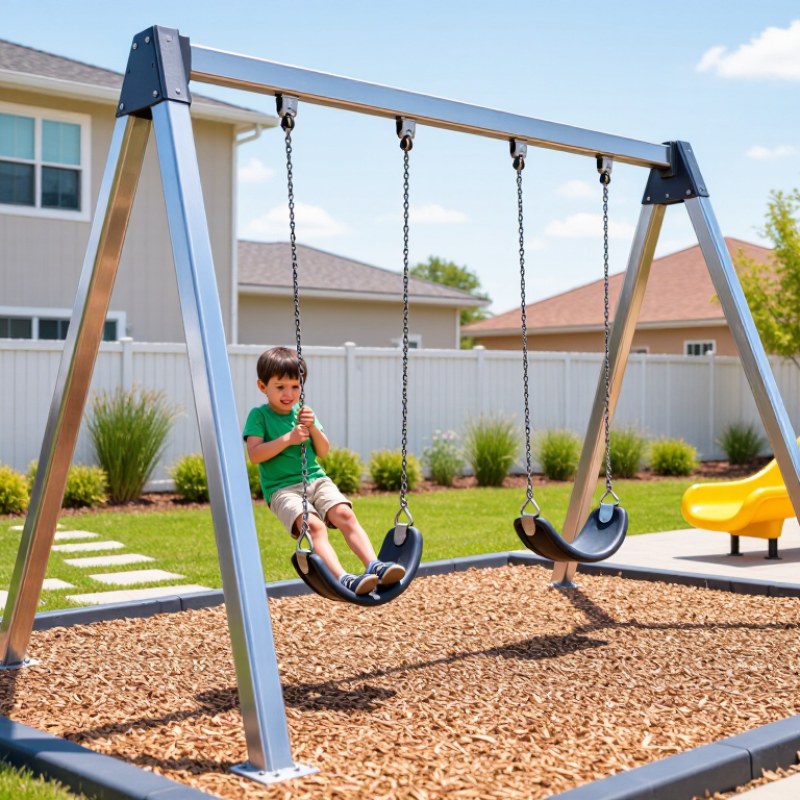
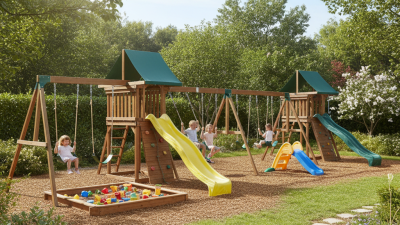
A modern swing set is defined less by a futuristic shape than by thoughtful design. It combines sturdy construction, clear safety guidance, and play features that suit the space and the children using it. A compact frame may fit a small yard, while a larger setup could offer swings, a climbing wall, or a shaded platform. The right choice depends on how the space is actually used.
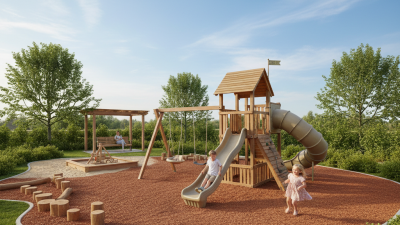
Look closely at the details. Smooth edges, secure joints, stable anchoring, and enough clearance around moving swings all matter. So does the ground beneath them: a suitable impact-absorbing surface can help reduce injury risk from falls. Check the stated age and weight limits, follow the installation instructions, and inspect hardware regularly.
Small details matter.
Modern design can also mean easier upkeep and room to adapt as children grow. Removable accessories may help, but they do not make a set maintenance-free. Weather, soil, and frequent use can loosen parts over time. I would not judge a swing set by appearance alone; a clean-looking frame still needs careful installation and routine checks.
Safety is never a one-time task.
Why Choose a Modern Swing Set?
Modern swing sets often use wider support legs, reinforced joints, and carefully balanced frames to reduce wobbling during play. A broad footprint helps distribute movement across the structure, while ground anchors can limit shifting on suitable soil. Look closely at the connections: snug bolts, covered hardware, and smooth edges can reduce common pinch and scrape hazards. Small details matter.
Stability also depends on the ground beneath the set. A level, well-prepared surface helps keep the frame steady as children swing. Follow the assembly instructions, including guidance on anchoring and required clearances. Still, a sturdy-looking frame can hide a loose connection; appearance alone is not a safety check.
Tips: After installation, gently test the frame for movement before use. Check bolts, chains, seats, and anchors regularly, especially after storms or heavy use. Keep the landing area clear, and use a suitable impact-absorbing surface. One thing is easy to overlook: soil can settle, so recheck the supports over time. Dryer weather may also reveal small shifts that were less obvious after rain.
| Design Dimension | Basic or Older Design | Modern Safety-Focused Design | Why It Matters |
|---|---|---|---|
| Frame stability | May have a narrower footprint or fewer reinforcing braces, depending on its design and condition. | Often uses a wider frame, cross-bracing, and compatible ground anchors when specified for the model. | A well-braced, properly anchored frame is less likely to shift or tip during use. Anchors must be installed as directed. |
| Joints and connections | Exposed bolts or aging connections may loosen over time and require inspection. | May use purpose-designed brackets, capped hardware, and accessible connection points for routine checks. | Secure connections help keep the structure rigid. Regular checks are still needed because hardware can loosen with use and weather. |
| Swing-seat attachment | Attachment style and wear resistance can vary; worn ropes, chains, or connectors may be difficult to spot. | May include rated hangers and durable connectors designed for the swing and frame combination. | Matching the seat, connectors, and frame—and replacing damaged or worn parts—helps reduce the risk of detachment. |
| Contact surfaces | Hard edges, splinters, or protruding hardware can develop as materials age or become damaged. | May feature rounded edges, covered hardware, and smoother finished surfaces. | These details can reduce common contact hazards, but surfaces should still be checked for cracks, splinters, and sharp edges. |
| Materials and weather exposure | Older materials may show corrosion, rot, UV damage, or weakening after prolonged outdoor exposure. | May use weather-resistant materials or protective finishes selected for outdoor use. | Weather resistance can slow deterioration, but no outdoor material is maintenance-free. Follow care instructions and inspect regularly. |
| Layout and clearance | Placement may not account for nearby fences, trees, walls, or other play equipment. | Assembly guidance typically identifies required spacing and placement considerations for the specific structure. | Clear space around moving swings helps reduce collision risks. Use the product instructions to determine placement and clearance. |
| Fall-attenuating surface | May be placed over hard ground or an unsuitable surface. | Installation planning can include a suitable impact-absorbing surface, such as an appropriate depth of loose-fill material or a rated unitary surface. | A suitable surface can reduce the severity of some falls. Surface type, depth, coverage, and upkeep affect its performance. |
| Inspection and upkeep | Wear may go unnoticed if the structure is not checked routinely. | Design details and care instructions may make key parts easier to inspect and maintain. | Check the frame, anchors, fasteners, seats, ropes or chains, and surfacing regularly; repair or replace damaged parts before use. |
Note: Features vary by product. A modern design does not automatically guarantee safety; follow the assembly, anchoring, use, and maintenance instructions for the specific swing set.
A modern swing set should be chosen for its materials as much as its appearance. Galvanized steel resists rust, while a durable outdoor coating adds another layer of protection. Check joints and welds for a smooth finish, with no sharp edges or exposed bolts. Wood can feel warmer and blend naturally into a yard, but it needs periodic checks for splinters, cracks, and moisture damage. No material is maintenance-free. That part is easy to overlook.
Seats and grips also face years of sun, rain, and regular use. Look for outdoor-rated plastic that resists UV exposure, plus ropes and chains designed for playground equipment. Sturdy hardware matters. So does good drainage around posts, which helps limit standing water and soil movement. Follow the maker’s installation and inspection guidance, and confirm the set suits the children’s ages and available space. A level, clear landing area is essential. It is tempting to focus on the frame alone, but worn connectors or loose anchors can change how safely the whole structure performs. Even a well-built set needs routine attention.
A modern swing set gives children a reason to move outdoors and practice skills through play. As they pump their legs, grip the chains, and steady themselves, they use coordination and balance. Climbing a ladder or stepping onto a platform also builds confidence with manageable challenges. Small wins matter. Still, children develop at different paces, and one piece of equipment will not suit everyone.
Play can bring children together, too. They may take turns, suggest games, or call out when a friend is ready to swing. These everyday moments help them practice patience and communication without a formal lesson. A child might prefer watching before joining in; that is okay. Give them time, and avoid treating social play as a performance. Caregivers can join the conversation or help children agree on turns when needed.
Tips: Choose equipment suited to children’s ages and abilities. Check the frame, fasteners, and surrounding surface regularly. Keep clear space around moving swings, and supervise play, especially with younger children. A quick check before play can prevent avoidable bumps.
Choosing a swing set starts with the space you actually have, not the space you wish you had. Measure the yard, then mark the equipment footprint and its moving zone with string. CPSC’s Public Playground Safety Handbook uses a planning benchmark of twice the swing-pivot height in front and behind the swing. For a six-foot pivot, that means about twelve feet of clearance in each direction. The handbook addresses public playgrounds, so check the residential set’s instructions too. A tape measure can disappoint.
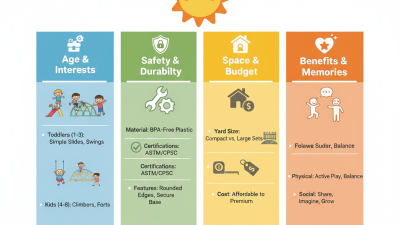
Next, think about who will use it and how they play. Toddlers need low seats and manageable heights; older children may value a larger arc or room for a second seat. CPSC has cited roughly 200,000 annual emergency-room visits for playground-equipment injuries in the United States, based on older estimates. That figure covers playground equipment broadly, not swing sets alone, but it reinforces why landing surfaces and spacing matter. Choose impact-absorbing surfacing suited to the site, and avoid placing the set beside fences, trees, or hard paving.
Finally, compare materials, anchoring, and maintenance against your climate and routine. Metal can feel hot in direct summer sun; wood may need periodic inspection for splinters and loose fasteners. ASTM F1148 covers residential play equipment, and a manufacturer’s stated age range and installation details are useful checks. I would leave extra room for growth, even if it makes the set look smaller today. Measure twice. Inspect often.