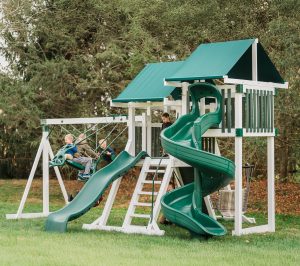
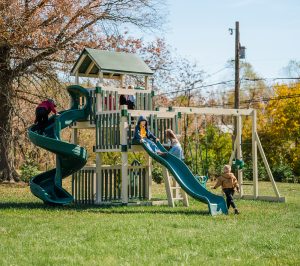
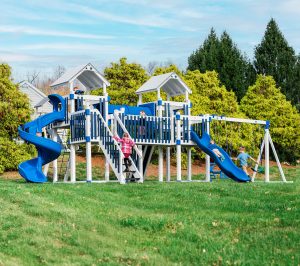
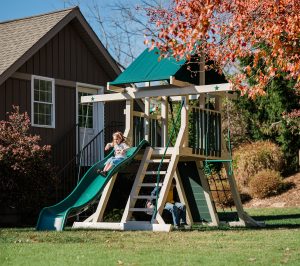
Top 10 Benefits of Choosing a Wooden Playset for Kids
Choosing a wooden playset for kids offers numerous benefits that go beyond mere entertainment. Research indicates that outdoor play contributes significantly to children's physical and emotional development. According to the American Academy of Pediatrics, play promotes vital skills such as problem-solving and creativity. Wooden playsets, in particular, foster active play and interaction with peers, which are essential for social development.
Additionally, studies show that children who engage in outdoor play demonstrate improved focus and cognitive abilities. A wooden playset encourages children to explore their surroundings and build their motor skills in a safe environment. The natural materials used in these playsets also have an ecological advantage. Unlike plastic, wooden structures are biodegradable and have a smaller environmental footprint.
However, selecting the right playset requires thoughtful consideration. Not all wooden playsets are created equal. Parents must weigh factors like safety, durability, and space requirements. Addressing these issues can ensure a rewarding experience for children. Prioritizing a high-quality wooden playset can cultivate a love for outdoor play, setting the foundation for a healthy, active lifestyle.
Enhancing Physical Fitness Through Climbing and Sliding Activities
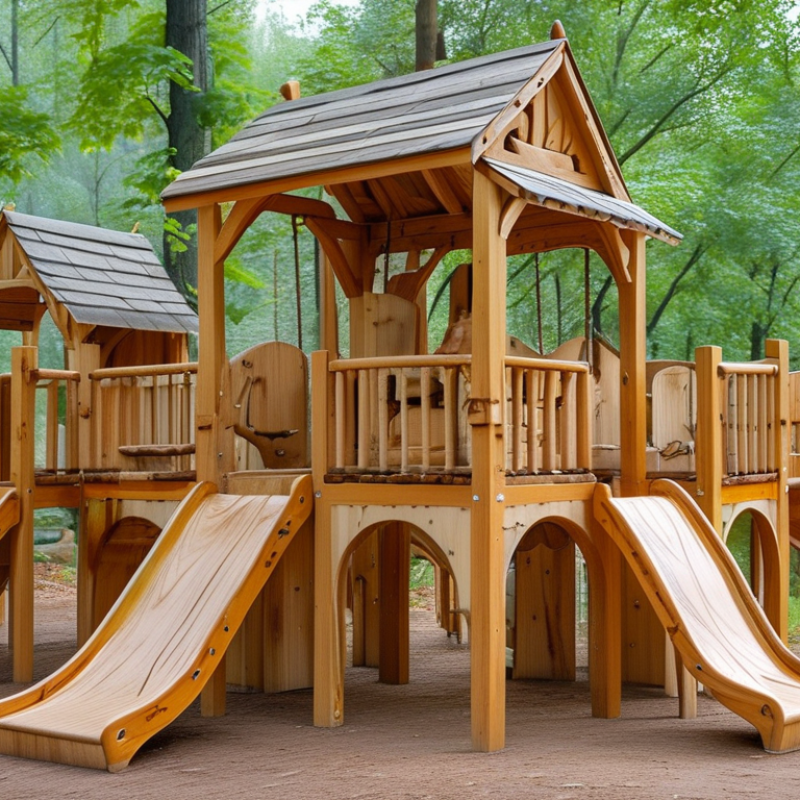
Choosing a wooden playset for kids offers numerous benefits, especially for enhancing physical fitness. Climbing and sliding activities provide an exciting way to develop strength and coordination. As children ascend and descend, they engage various muscle groups, which promotes overall physical health. This activity not only builds endurance but also fosters balance skills.
Tips for encouraging active play include setting up regular playdates. When children engage with peers, they naturally push each other to climb higher and slide faster. Incorporate themed activities, like obstacle courses, to keep play engaging. Parents can also join in the fun, creating a bonding experience that encourages children to be active.
While wooden playsets enhance fitness, they require regular maintenance. Ensuring that the structure is stable and safe is crucial. Periodic safety checks can prevent accidents and keep the excitement alive. Reflecting on your playset's upkeep is essential. Understanding how much play can be achieved without risking safety can lead to a more enjoyable experience for all.
Promoting Social Skills and Teamwork in Outdoor Play
A wooden playset offers more than just fun. It becomes a stage for kids to learn social skills and teamwork. When children play together, they share ideas and resources. Whether they are building a fort or racing down a slide, collaboration is key. This interaction fosters communication and negotiation skills. Kids learn to express their feelings and listen to others. They create bonds through shared experiences.
Encouraging children to take turns is essential. It can be challenging at times. Kids may feel frustrated when waiting. This is where parents can step in. Gently remind them about patience and sharing. Offer praise for good teamwork. Celebrate those moments when they work together successfully.
Outdoor play promotes creativity. Kids use their imagination while climbing, swinging, or sliding. A wooden playset encourages exploration and risk-taking too. They may fall or face setbacks. These experiences teach resilience and problem-solving. They learn to adapt and think on their feet. These lessons stay with them long after playtime is over.
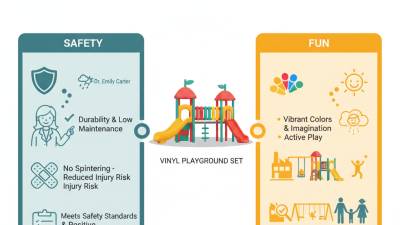
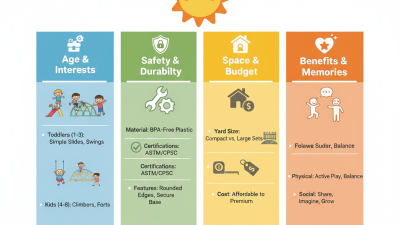
Top 10 Benefits of Choosing a Wooden Playset for Kids
This chart illustrates the benefits of choosing a wooden playset for kids, highlighting aspects such as social skills promotion, teamwork encouragement, and physical fitness enhancement, all crucial for holistic child development.
Encouraging Creativity and Imagination in Children’s Play
Wooden playsets serve as remarkable catalysts for creativity and imagination in children. Their natural, warm texture invites kids to engage in open-ended play. Unlike plastic toys with limited functions, a wooden playset can transform into anything they envision—a castle, a spaceship, or even a pirate ship. This versatility nurtures big ideas and encourages kids to think outside the box.
Tips to enhance imaginative play include allowing children to design their own spaces. Give them art supplies to decorate the playset. Building a fort using blankets can add to its charm and complexity. Create simple challenges, like “How many roles can you play today?” This prompts them to explore different narratives and roles, fueling creativity.
It's also valuable to let them experience failure. They might fall off the swings or misbalance on the climbing frame. These moments teach resilience. Children learn to adapt and rethink strategies, enabling them to innovate in play. It's necessary to reflect on these experiences, as every tumble can inspire a new game. Embrace the imperfect moments; they are where real growth happens.
Safe and Durable Materials for Long-lasting Use
Choosing a wooden playset for kids offers unparalleled safety and durability. Many parents appreciate the natural materials used in these constructions. Wood is sturdy and can withstand years of wear and tear. Unlike plastic alternatives, wooden playsets do not easily fade or crack under UV exposure. Parents can have peace of mind knowing they made a solid investment.
The choice of wood can significantly influence the longevity of a playset. Options like cedar and redwood naturally resist decay and insect damage. These materials are not only safe but also environmentally friendly. Children can safely climb, slide, and explore, fostering their growth and development. However, some might find wooden playsets require regular maintenance. This is an important aspect to consider.
Visualizing a backyard filled with laughter is essential. A wooden playset can be a centerpiece, promoting social skills among children. Yet, it is vital to ensure proper installation. Ill-fitting parts or uneven surfaces may lead to accidents. Regular inspections can help identify wear and tear. A durable playset is a worthwhile addition, as long as safety remains the top priority.
Developing Fine Motor Skills with Interactive Play Elements
Wooden playsets offer a delightful way for children to enhance their fine motor skills. Research indicates that interactive play elements significantly contribute to a child's physical development. Engaging with swings, slides, and climbing walls can improve coordination and dexterity. For instance, the American Academy of Pediatrics emphasizes the importance of physical play in promoting fine motor development in young children.
Using tools such as blocks or ramps in a wooden playset can enhance hand-eye coordination. Children learn to grip, balance, and maneuver their bodies in space. The National Association for the Education of Young Children supports this, noting that active play boosts brain development in early childhood. Each twist, turn, and climb offers children new challenges, encouraging problem-solving and creativity.
Despite all these advantages, it's vital for caregivers to supervise playtime. Unattended play can lead to accidents or injuries. While wooden playsets encourage physical activity, they also require maintenance and safety checks. Regular inspection of equipment and play areas is essential. Creating a safe space enhances the learning experience and maximizes the benefits of interactive play.