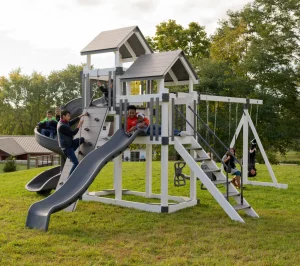
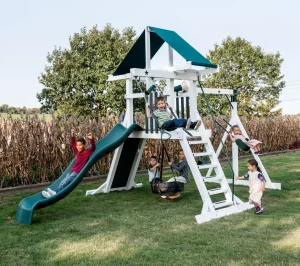
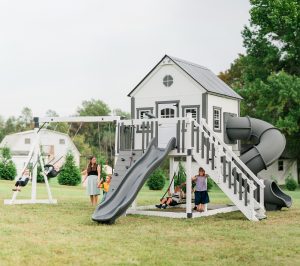
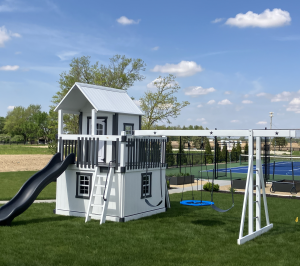
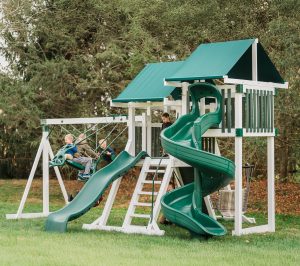

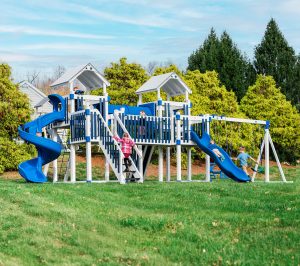
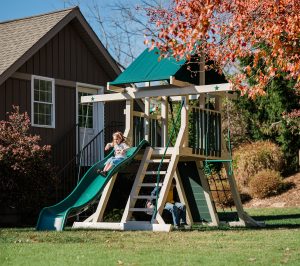
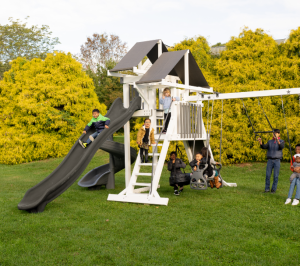
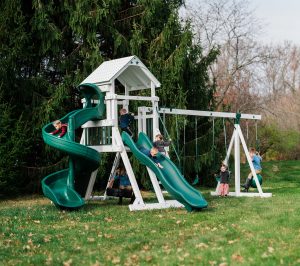
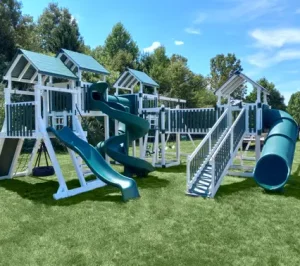
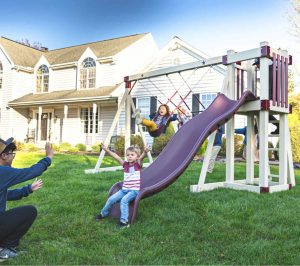
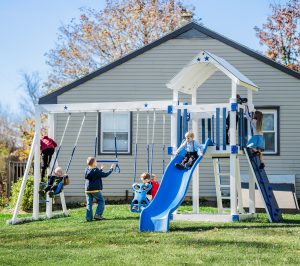



China Best Polywood Playset Manufacturer for Global Buyers

Choosing a China-based manufacturer requires more than comparing prices. A dependable polywood playset must combine safe design, durable materials, consistent production, and clear communication. Global buyers also need evidence, not attractive promises.

Playground researcher Dr. Joe L. Frost describes play as “the work of children.” That idea should guide every manufacturing decision. A quality playset needs smooth edges, secure fasteners, stable platforms, and age-appropriate access points. It should also withstand sunlight, rain, humidity, and repeated daily use. High-density polyethylene lumber can resist rotting and splintering, but material quality still depends on formulation and processing. Recycled content matters. So does color stability.

The strongest Chinese manufacturers support their claims with factory audits, material records, load testing, and practical installation guidance. They explain which components are tested and which require buyer verification. That honesty builds trust. It also protects distributors from expensive surprises.

No factory is perfect.

A responsible supplier welcomes questions about welds, hardware, packaging, replacement parts, and inspection procedures. Buyers should examine production experience, export history, safety documentation, and after-sales support before signing an order. Product customization can improve market fit, yet unnecessary changes may weaken tested designs. This point is often overlooked.

For global buyers, the best polywood playset manufacturer is not simply the cheapest option. It is the partner that delivers repeatable quality, transparent evidence, and thoughtful service. The right decision may take longer. That is usually wiser than correcting a preventable failure later.
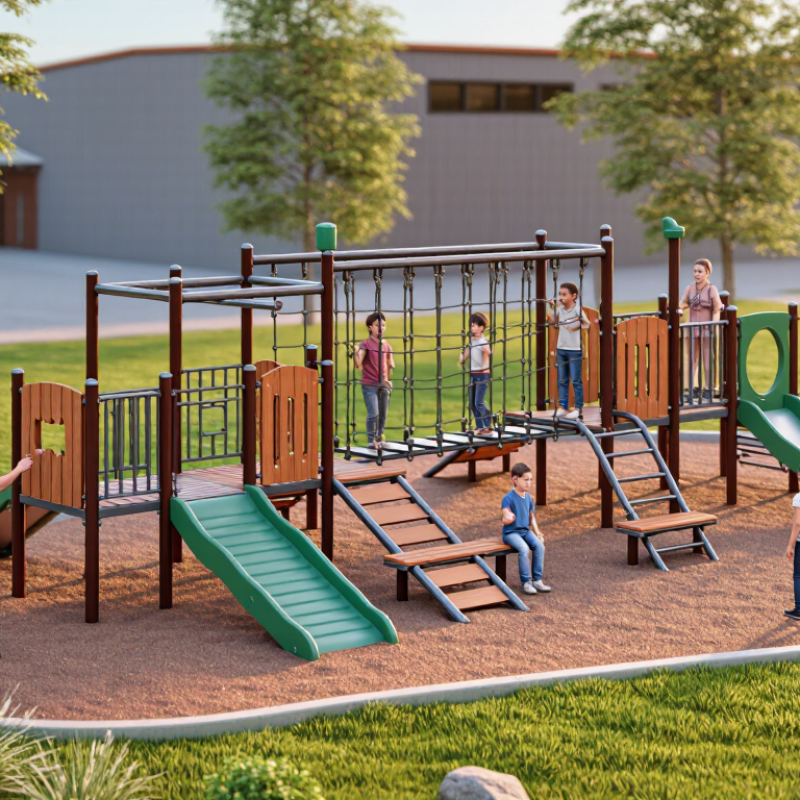
China Best Polywood Playset Manufacturer for Global Buyers

Polywood Playsets: Definition, Features, and Global Applications

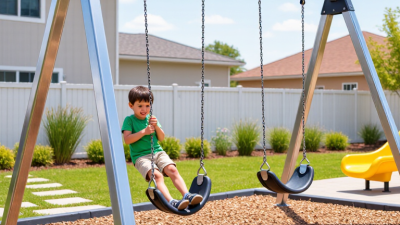
Polywood playsets are outdoor playground structures made from recycled high-density polyethylene lumber. Unlike untreated wood, this material resists rot, insects, and moisture. It also avoids splinters when properly finished. The surface can resemble painted timber, but it needs less repainting. Stainless steel fasteners and rounded edges improve durability and user safety. Still, no material is perfect.

A well-designed polywood playset should include stable platforms, secure railings, and age-appropriate access points. UV-resistant color additives help reduce fading under strong sunlight. Proper drainage prevents water from collecting around posts and connectors. In coastal areas, corrosion-resistant hardware deserves extra attention. Buyers should also check load ratings, fall zones, anchoring methods, and inspection procedures before production. Small design errors can become expensive later.

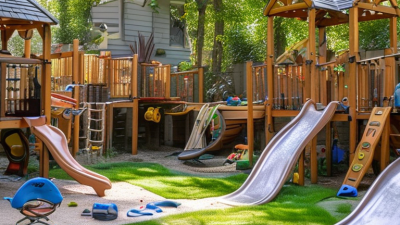
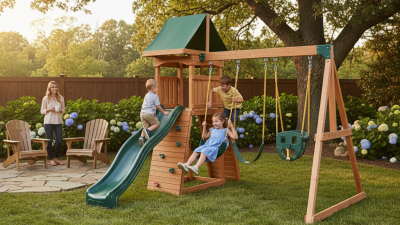
For global applications, polywood playsets fit schools, public parks, resorts, childcare centers, and private gardens. A China-based manufacturer can support custom colors, modular layouts, packaging, and volume production. However, buyers should request material samples and real project photos. Factory audits and product testing add practical confidence. Regional playground requirements may differ, so technical documents must match the destination market. Maintenance is simple, but regular checks remain necessary. Neglect is still possible.

Key Materials and Safety Standards in Polywood Playset Manufacturing

Polywood playsets depend on material choices made long before installation. Recycled HDPE lumber resists moisture, insects, and surface cracking better than untreated wood. Its color remains stable when UV stabilizers are blended correctly. However, no plastic stays perfect forever. Strong sunlight can cause gradual fading and expansion.

A reliable manufacturer checks each batch for density, thickness, and edge quality. Rounded corners matter, especially around slides, ladders, and handrails. Galvanized steel brackets help resist rust, while stainless steel fasteners support frequent outdoor use. We also inspect bolt heads and hidden gaps, because small defects can create larger safety concerns.

Safety testing should follow recognized requirements, such as ASTM F1487 or EN 1176, according to the destination market. These checks cover fall zones, entrapment risks, sharp edges, structural strength, and impact areas. Documentation should include test reports, material records, assembly instructions, and inspection procedures. Compliance is not a label alone. It requires traceable evidence.

In practical production, we test loaded platforms and repeatedly move swing joints. Some results require design changes. That is not failure; it is useful feedback. Still, standards differ across countries, and one certificate may not satisfy every buyer. Experienced suppliers confirm local requirements before production, reducing avoidable delays and protecting children during everyday play.

How a Leading Polywood Playset Manufacturer Designs and Builds Products

China Best Polywood Playset Manufacturer for Global Buyers

A leading polywood playset manufacturer begins with practical observation, not attractive drawings alone. Engineers study children’s movement, caregiver supervision, and the space around each structure. Recycled plastic lumber is selected for its moisture resistance and low-maintenance surface. However, material quality can vary. This deserves careful inspection.

The design process combines 3D modeling, load analysis, and hands-on prototypes. Rounded edges protect small hands, while stable platforms reduce unnecessary movement. Each slide, ladder, and climbing panel needs secure connections. Factory technicians check drilling accuracy, hardware fit, surface smoothness, and color consistency. They also test assembled units under repeated use. Small errors matter. A loose connector may become a serious maintenance concern.

Tips: Ask for material specifications, assembly instructions, inspection records, and replacement-part support. Review samples in daylight and examine hidden joints closely. Confirm packaging protects long beams from bending during transport. Installation guidance should be clear for different markets. Even experienced manufacturers sometimes improve a design after field feedback. That is not a weakness; it shows the process remains honest and responsive. For global buyers, reliable production means more than competitive pricing. It means documented quality checks, controlled materials, accurate dimensions, and communication that continues after shipment.

Customization, Quality Control, and Certification for International Buyers

China Best Polywood Playset Manufacturer for Global Buyers

A capable polywood playset manufacturer should turn your concept into clear production documents. Buyers may request custom colors, platform heights, slide lengths, or inclusive access features. Every change needs an updated drawing, material list, and safety review. Experienced engineers check edge radii, guardrails, handgrips, anchoring points, and drainage before production. Small details matter.

Quality control should continue beyond visual inspection. Inspectors can verify board thickness, fastener torque, surface smoothness, color consistency, and package strength. Production samples should receive load testing and assembly checks. Batch records help buyers trace materials and corrective actions. Factory inspections and independent laboratory testing add useful evidence. However, certificates should match the exact model, market, and test standard. A document alone proves little.

International buyers often require testing against standards such as ASTM F1487, EN 1176, or applicable chemical safety rules. Requirements differ by destination, so compliance must be confirmed before shipment. Reliable suppliers provide test reports, installation manuals, maintenance guidance, and clear packaging labels. They also protect components with corner guards and moisture-resistant packing. No factory is perfect. A stronger supplier admits defects, investigates root causes, and improves the next batch instead of hiding problems. That honest process builds lasting confidence.

How Global Buyers Evaluate and Select a Reliable Polywood Playset Supplier

China Best Polywood Playset Manufacturer for Global Buyers

Global buyers evaluate a polywood playset supplier beyond product photos. They inspect material quality, construction details, and production consistency. Polywood lumber should resist moisture, sunlight, and everyday impact. Ask for material specifications, color samples, and hardware details before placing an order. Small differences matter. A rough edge or weak fastener can affect user safety and product life.

A reliable manufacturer shares clear factory information and traceable quality records. Buyers should review sample units, assembly instructions, packaging methods, and inspection procedures. Check whether the supplier tests load-bearing parts, platform stability, handrails, and swing connections. Documentation should match the actual product. Sometimes, catalogs look professional while factory controls remain unclear. This is where careful questioning helps.

Communication also shows supplier reliability. Confirm lead times, replacement-part support, container loading plans, and responses to defects. A factory visit, video inspection, or independent pre-shipment check can reveal useful details. Ask to see production areas, not only display rooms. The lowest quotation may hide thinner boards, weaker fittings, or limited after-sales support. Buyers should also compare several samples, because one excellent unit may not represent regular production. No evaluation is perfect. A second inspection can still uncover overlooked problems.

China Best Polywood Playset Manufacturer for Global Buyers - How Global Buyers Evaluate and Select a Reliable Polywood Playset Supplier
Evaluation Dimension Weight What Global Buyers Should Check Practical Benchmark or Decision Rule Recommended Evidence
Material Composition 15% Confirm whether the lumber is made from high-density polyethylene (HDPE), recycled plastic, virgin plastic, or a documented blend. Check UV stabilizers, color consistency, moisture resistance, and the absence of untreated wood components where plastic lumber is specified. The supplier should disclose the material structure, recycled-content range, additives, and technical properties in writing. Any change in material formulation should require buyer approval. Material specification sheet, safety data where applicable, production-batch records, and independent material test reports.
Product Safety Compliance 18% Evaluate the design against the destination market’s playground-safety requirements, including entrapment, sharp edges, pinch points, fall zones, protrusions, guardrails, steps, and swing clearances. For the United States, request testing or engineering documentation aligned with ASTM F1148 and applicable U.S. Consumer Product Safety Commission requirements. For Europe, request documentation aligned with the applicable EN 71 requirements and playground-safety standards used for the product category. Third-party test reports, product risk assessment, assembly drawings, safety instructions, and inspection records.
Load and Structural Performance 12% Review platform, slide, swing-beam, ladder, fastener, and connection performance under the intended user load. Check whether the stated capacity applies to one component or the complete playset. Accept only supplier-specific test values with defined loading conditions, safety factors, test dates, and sample identification. Do not accept an unsupported “maximum load” statement. Structural calculations, load-test reports, engineering drawings, fastener specifications, and corrective-action records.
Weather and UV Resistance 10% Assess resistance to sunlight, rain, freeze-thaw cycles, humidity, corrosion, fading, cracking, and dimensional movement. HDPE-based lumber generally resists moisture, but color and performance depend on formulation and exposure. The supplier should state the intended climate range, maintenance requirements, color-fade expectations, and any limitations. Outdoor-use claims should be supported by relevant accelerated-weathering or field-performance data. UV-weathering test report, material technical data, corrosion-resistant fastener specification, and outdoor installation references without undisclosed brand claims.
Factory Quality Management 12% Check incoming-material inspection, in-process dimensional control, drilling accuracy, surface finishing, torque control, final inspection, defect classification, and traceability by production batch. A reliable supplier should use documented inspection procedures and retain inspection records. Quality acceptance criteria should be agreed before mass production. Quality manual, inspection checklist, sample inspection report, nonconformance procedure, calibration records, and factory-audit results.
Customization Capability 7% Evaluate the supplier’s ability to modify colors, dimensions, layouts, accessory combinations, packaging, labels, manuals, and installation requirements without compromising safety. Custom designs should pass a documented design-review process and receive approval samples before production. Safety-critical changes must be re-evaluated, not treated as ordinary cosmetic changes. Approved drawings, bill of materials, prototype records, color samples, change-control forms, and pre-production approval documents.
MOQ and Commercial Flexibility 6% Compare minimum order quantity, mixed-container options, sample policy, tooling charges, payment milestones, spare-parts policy, and the effect of customization on order quantity. The quotation should clearly separate product price, tooling, testing, packaging, spare parts, inland charges, and export-related costs. All assumptions should be written into the purchase agreement. Formal quotation, proforma invoice, payment terms, tooling agreement, sample invoice, and spare-parts price list.
Production Lead Time 5% Review sample-development time, approval time, raw-material availability, production capacity, inspection time, and peak-season constraints. The supplier should provide a milestone-based schedule covering drawing approval, sample approval, production, inspection, packing, and shipment. The contract should define the starting point for lead-time calculation. Production schedule, capacity statement, order-tracking reports, and written late-delivery escalation procedure.
Packaging and Container Utilization 5% Check protection against scratches, deformation, moisture, missing hardware, and transport impact. Confirm carton dimensions, pallet requirements, stacking limits, and container loading calculations. Packaging should protect long plastic lumber components and keep hardware kits traceable. A packing list should match carton markings and the approved bill of materials. Packaging drawings, carton-drop or packaging test records, loading plan, packing list, and product identification labels.
Export Documentation 4% Verify the supplier’s ability to provide accurate commercial invoices, packing lists, shipping documents, certificates of origin where required, product manuals, and destination-market compliance files. Documents should be consistent across the purchase order, invoice, packing list, shipping documents, and product markings. Country-specific requirements should be confirmed before production. Redacted sample export document set, document checklist, HS-code confirmation process, and destination-market labeling review.
Warranty and After-Sales Support 6% Assess coverage for material defects, structural failures, missing parts, color issues, installation problems, replacement components, and response time for claims. The warranty must define coverage period, exclusions, claim evidence, response deadline, replacement responsibility, and spare-parts availability. Verbal promises should not replace contractual terms. Written warranty policy, claim form, service-level agreement, spare-parts list, and sample corrective-action report.
Total Recommended Evaluation Weight 100% — Buyers can score each dimension from 1 to 5, multiply by the assigned weight, and compare suppliers using the same evidence-based criteria.
Important: Safety standards, labeling rules, testing requirements, and installation obligations vary by destination country, product configuration, age range, and installation environment. Buyers should confirm the latest applicable requirements with a qualified testing laboratory or regulatory specialist before placing a production order.