How to Choose the Best Wooden Playset for Your Kids?
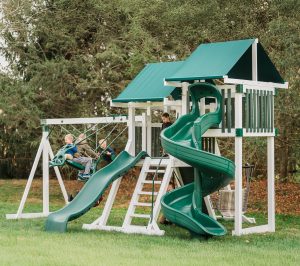
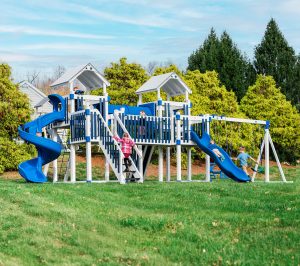
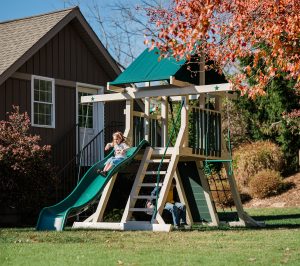
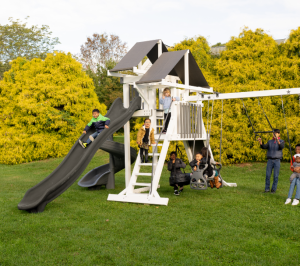
Choosing the right wooden playset for your kids can be overwhelming. With so many options available, understanding what makes a playset safe and enjoyable is crucial. According to the American Society for Testing and Materials (ASTM), over 200,000 children visit emergency rooms annually due to playground-related injuries. This statistic highlights the importance of selecting a well-made and properly designed wooden playset.
Experts recommend considering the materials and craftsmanship involved in constructing a wooden playset. High-quality wood, like cedar or redwood, offers durability against weather and wear. However, beware of untreated wood; it can lead to splinters or early degradation. A solid playset should also include safety features like rounded edges and safe anchoring systems.
Reflecting on what your child enjoys is essential. Some children like climbing, while others prefer swings or slides. However, personal preferences can change, and a playset that is perfect now may not be appealing in a year. Therefore, flexibility in design and features is vital for long-term enjoyment. The right wooden playset is not just an investment in play but also in safety and development.
Understanding the Importance of Playsets for Child Development
Playsets play a crucial role in the developmental stages of children. Research from the American Academy of Pediatrics emphasizes the significance of unstructured play in improving social skills, problem-solving, and emotional resilience. A well-designed wooden playset can encourage kids to engage in these essential forms of play. Children develop motor skills as they climb, slide, and swing. These physical activities promote coordination and balance, making them vital for their growth.
The National Association for the Education of Young Children (NAEYC) highlights that outdoor play can reduce stress and increase happiness in children. Being in nature also contributes to cognitive development. Kids who spend time outdoors are more capable of imaginative play and can better focus when they return indoors. A wooden playset situated in a safe garden creates an inviting atmosphere that fosters creativity and exploration.
It's important to remember that not all playsets will perfectly serve every child's needs. Some children may prefer solitary activities, while others thrive in group play. Parents should consider their child's personality and preferences when choosing a playset. Observing how children interact in different environments can provide insights into what features are most beneficial for their development. Balancing safety, creativity, and functionality can be a challenge, but it’s essential for nurturing a child's growth through play.
Importance of Playsets for Child Development
Key Features to Look for in a Wooden Playset
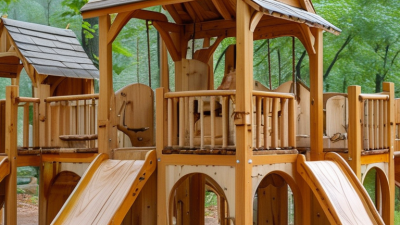
When selecting a wooden playset for your children, key features greatly influence your decision. Look for robust construction. Quality wood should be durable, resistant to rot, and untreated to ensure safety. A thick frame can withstand various weather conditions and active play. Examine the hardware; stainless steel fasteners resist rust and ensure longevity. Safety is paramount, so focus on rounded edges and non-toxic materials.
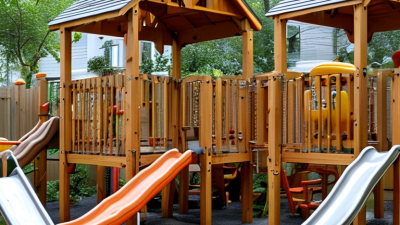
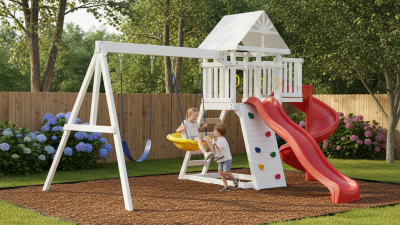
Consider the size of the playset. It should fit your yard without overwhelming the space. Think about where it will be placed. A level surface prevents tipping and enhances stability. Furthermore, assess the play options available. Swings, slides, and climbing walls add variety to playtime, stimulating physical and social skills.
Lastly, reflect on the assembly process. Complicated setups can lead to frustration. Ensure instructions are clear, or seek professional help if needed. While aesthetics matter, practicality and safety must come first. Finding a balance between fun and security will create a playset that kids adore and parents trust.
Evaluating Safety Standards for Wooden Playsets
When choosing a wooden playset, safety must be the top priority. In the United States, the American Society for Testing and Materials (ASTM) and the Consumer Product Safety Commission (CPSC) have established guidelines to ensure safety in outdoor play equipment. According to their reports, nearly 200,000 children visit emergency rooms each year due to playset-related injuries. This statistic underscores the need for careful evaluation of safety standards.
To begin, check for certifications that ensure compliance with ASTM and CPSC safety guidelines. Look for smooth edges, sturdy construction, and non-toxic finishes. These features significantly reduce injury risks. Also, ensure that the playset is appropriate for your children's age and size. A playset designed for younger kids may not support older ones, leading to unnecessary hazards.
Tips to consider: Regular maintenance is crucial. Inspect the playset often for any wear or structural issues. Keep the area around the playset clear and free of debris. Additionally, consider the ground surface; a soft landing area can help mitigate falls.
Though investing in a safe playset is vital, remember that no play equipment is completely risk-free. Continuous supervision is essential for ensuring that children play safely.
Choosing the Right Size and Design for Your Outdoor Space
Choosing the right size and design for a wooden playset is crucial to maximizing your outdoor space. According to the American Society for Testing and Materials (ASTM), playsets should have a safety zone around them. This space is important for both play and safety, making it essential to consider your yard dimensions. Experts suggest allocating at least six feet around the entire playset. This area prevents potential accidents and allows for free movement.
When selecting a playset, think about the design that fits your space. Compact designs work well in smaller yards. On the other hand, larger areas can accommodate multi-level structures with slides and swings. A survey by the International Playground Equipment Manufacturers Association (IPEMA) indicates that over 40% of parents prioritize size suitability when purchasing playsets. Balancing the size with design is important. A playset that's too large can overwhelm your space, while a small one might not engage your kids effectively.
Visualizing the playset in your yard can help. You might use a tape measure or garden stakes to outline its dimensions. This step allows for adjustments before making a decision. Reflecting on the flow of your outdoor layout is important. Consider how the playset interacts with other outdoor features, like gardens or patio areas. Thoughtful placement can enhance both play and aesthetics.
Comparing Costs and Value Among Different Wooden Playset Options
When choosing a wooden playset for your kids, it’s critical to focus on both cost and value. Research indicates that high-quality playsets range from $300 to $3,000, depending on materials and features. A detailed study published by the American Society for Testing and Materials shows that properly treated wood can last over 15 years with regular maintenance. However, cheaper options often use lower-grade wood, which may splinter or rot, leading to safety hazards.
Consider the trade-off between cost and durability. A lower upfront price might seem attractive. Yet, over time, you could end up spending more on repairs. According to the National Association of Home Builders, investing in a solid wooden playset can increase your property value by up to 5%. This could be a long-term gain if you think about future home improvements.
Tip: Look for warranties or guarantees. Reputable manufacturers often provide at least a 10-year warranty on their playsets.
Remember to assess space and safety requirements. Many families underestimate the area needed for a playset. A 10-foot radius around the structure is usually recommended to prevent injuries.
Tip: Choose a playset that grows with your children. Modular designs can adapt as your kids develop new interests.