





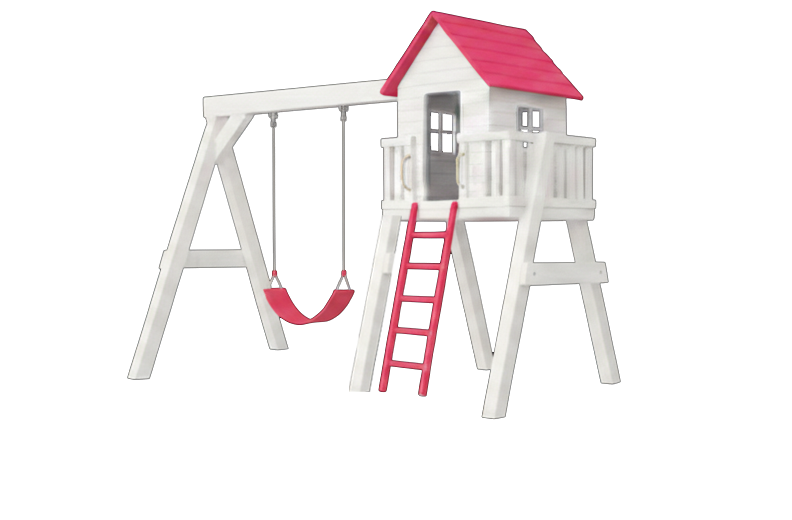
China Top Small Swing Set Manufacturers for Buyers
Choosing a small swing set is not just a matter of comparing prices or bright colors. Buyers need to assess materials, stability, age suitability, installation requirements, and supplier reliability. The U.S. Consumer Product Safety Commission’s Public Playground Safety Handbook has cited an estimate of about 200,000 emergency-department-treated injuries annually involving playground equipment. This broad, older estimate is not specific to small residential swing sets, but it underlines why safety details deserve close attention.
For buyers comparing Chinese manufacturers, useful checks include frame dimensions, steel-wall thickness, coating specifications, seat materials, packaging, and replacement-part availability. Ask for current test reports and confirm what products and models they cover. ASTM F1148 provides a recognized safety specification for home playground equipment; buyers should verify applicable requirements in their destination market rather than assume one certificate covers every region. A careful factory review also looks beyond polished product photos. Request close-up images of welds, joints, anchors, and hardware, then compare them with the production sample.
This guide introduces leading China-based small swing set manufacturers and practical ways to evaluate them. Product catalogs can look reassuring. Real conditions are messier. A low quote may omit installation hardware, protective packaging, or after-sales support, so clarify each item in writing. No checklist catches everything, and supplier claims still need independent verification. Treat the information here as a starting point for due diligence, not a substitute for product-specific testing or professional advice.
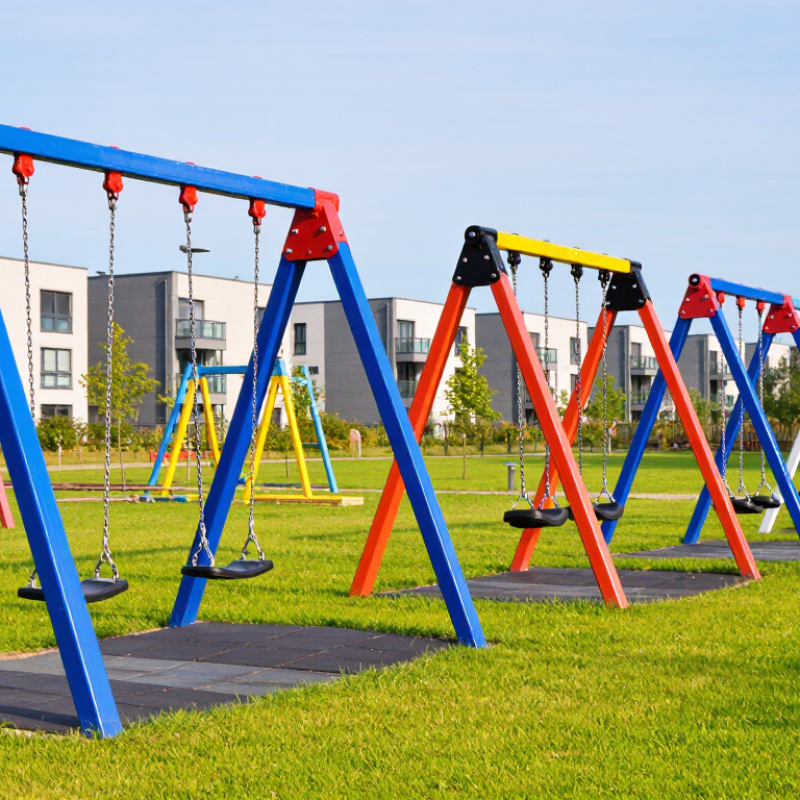
How Small Swing Sets Are Classified by Design, Capacity, and Materials
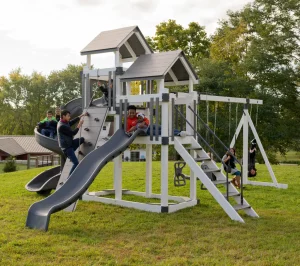
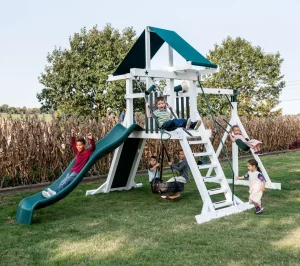
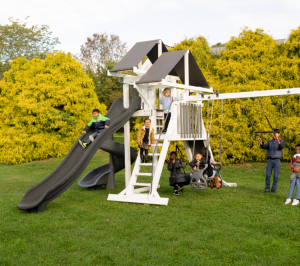
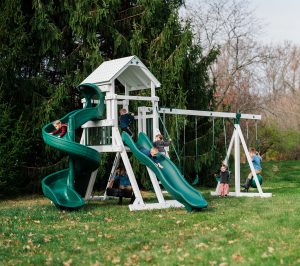
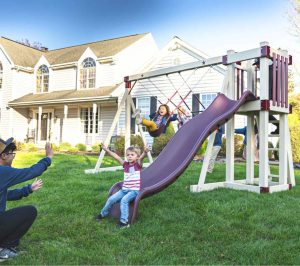
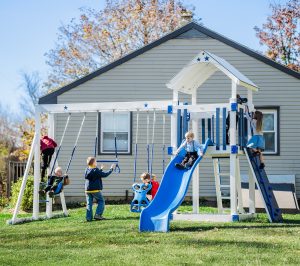
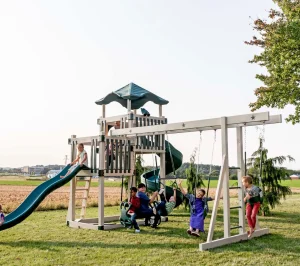
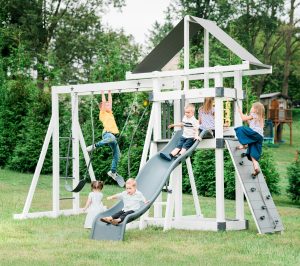
Small swing sets are commonly classified by frame design. A compact A-frame usually holds one or two seats and suits a modest yard. Low-profile models can fit beneath tree branches, but still need clear space around the swing path. Some sets combine a swing with a small slide or climbing panel. Measure the full footprint, including fall clearance, rather than judging from product photos. That detail matters.
Capacity is not just the number of seats. Check the stated maximum user weight and whether the rating applies to each seat or the whole structure. A two-seat set may not safely support two larger children at once. Age guidance can help, but children’s size and coordination vary. Check the label. For shared use, choose a design with a clearly stated load rating and stable anchoring instructions.
Materials affect upkeep and feel. Powder-coated steel frames are relatively easy to wipe clean, though scratched areas may need attention. Treated timber can blend into a garden, but requires checks for splinters, loose fittings, and weathering. Seats may use molded plastic, while chains or ropes connect them to the frame. Inspect these joints periodically; a sturdy-looking frame does not reveal every worn connection. Buyers sometimes focus too much on material names. Construction quality and regular maintenance matter just as much.
China Top Small Swing Set Manufacturers for Buyers - How Small Swing Sets Are Classified by Design, Capacity, and Materials
| Design Type | Typical Configuration | Typical User Capacity | Common Frame Materials | Common Seat and Suspension Materials | Space and Buyer Considerations |
|---|---|---|---|---|---|
| Compact single-seat frame | One suspended seat on a freestanding A-frame or similar compact structure. | Usually 1 user at a time; check the product’s rated seat load. | Galvanized or powder-coated steel; some models use treated timber. | Molded plastic or rubber seat; coated metal chain or synthetic rope. | Suitable where space is limited. Allow clearance around the swing path and follow the specified anchoring instructions. |
| Two-seat parallel frame | Two individual swing positions, commonly arranged side by side. | Usually 2 users at a time, subject to the individual seat ratings and frame limit. | Steel tubing or structural timber, with corrosion-resistant hardware where specified. | Plastic, rubber, or belt-style seats; chains or ropes selected for outdoor use. | Offers separate play positions. Confirm the total frame rating, spacing between seats, and required fall zone. |
| Baby or toddler bucket-seat set | One or more enclosed or high-back seats designed to provide additional seating support. | Generally 1 child per seat; use only within the age, height, and weight limits stated by the manufacturer. | Steel or treated wood frame. | Molded plastic bucket seat, often suspended by coated chain or rope. | Check that the seat and restraint design suit the intended child. Adult supervision is essential; a bucket seat does not replace supervision. |
| Compact combination set | A small frame combining a swing position with another activity, such as a short slide or climbing feature. | Capacity depends on the number of play positions; simultaneous use may be restricted. | Steel, treated timber, or a combination of structural materials. | Plastic slide or molded components, plus swing seats made from plastic, rubber, or fabric. | More functions require more clearance than a single swing. Check that adjacent activities do not overlap in their use zones. |
| Saucer or nest-style set | A wide round or rectangular platform seat suspended from a compact frame. | May accommodate one or more children, but only up to the stated seat and frame load limits. | Usually steel tubing or treated timber. | Fabric or rope-woven platform with a metal or reinforced perimeter frame; suspension by rope or chain. | Seat shape does not establish capacity. Verify the rated load and follow guidance on the number of users allowed at one time. |
| Timber A-frame set | A traditional freestanding frame with one or more suspended seats. | Commonly 1–2 users, depending on the number of seats and the tested frame rating. | Outdoor-rated, treated structural timber; hardware should be suitable for exterior exposure. | Plastic or rubber seats with chain or rope suspension. | Inspect timber and connections periodically for wear, splitting, corrosion, and loosening. Installation and anchoring affect stability. |
| Steel tubular A-frame set | Lightweight freestanding frame made from connected metal tubes. | Often 1–2 users; use the stated per-seat and total frame limits. | Galvanized steel or steel with a protective coating. | Molded plastic, rubber, or belt-style seats; coated chain or outdoor-rated rope. | Check coating condition, fasteners, joints, and anchoring. Protective coatings can reduce exposure to moisture but do not eliminate maintenance needs. |
Buyer note: Dimensions, user capacity, age suitability, and load limits vary by product and are not determined by design or material alone. Treat the descriptions above as general classification guidance, not certified specifications. Confirm the manufacturer’s test documentation, installation instructions, applicable local safety requirements, and required clearance before purchase or use.
Related Posts
-
China Top 10 White Swing Set Manufacturers for Global Buyers
-
Why Choose a Childrens Swing Set for Your Business?
-
What is a swing set and how to choose the best one?
-
Best Backyard Playsets for Ultimate Outdoor Fun?
-
Why Choose Commercial Playground Swing Sets?
-

What is the Best Backyard Playground Set for Kids?